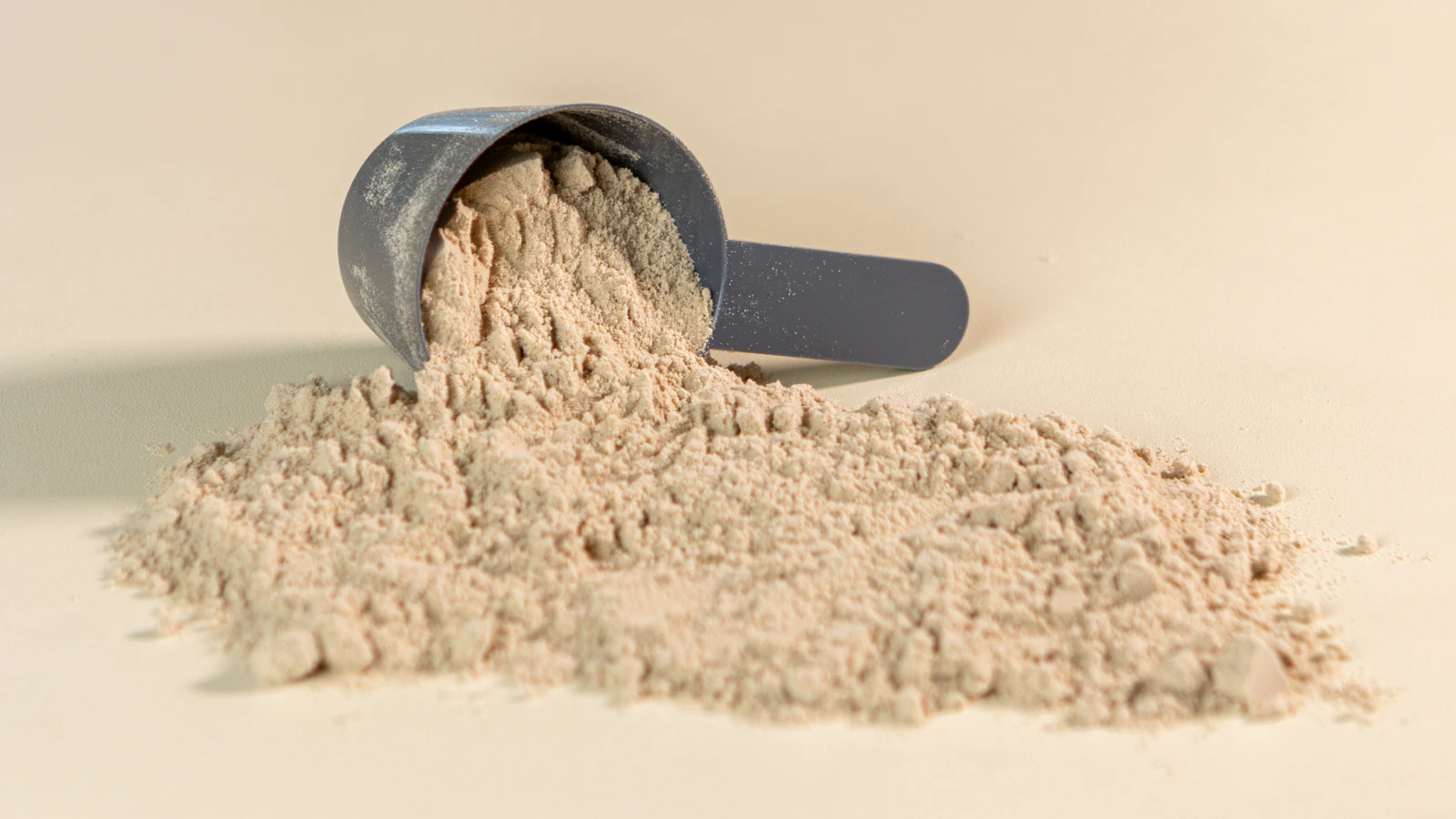
You start creatine, get your blood drawn a few weeks later, and your creatinine reads higher than before. Do not panic: that is exactly what you would expect. Creatinine is the breakdown product of creatine, so more creatine in your muscles means, arithmetically, a bit more creatinine in your blood. It is a consequence of your supplement, not an alarm signal.
Creatine is one of the best studied supplements out there. Yet that one blood value still causes needless worry, which is a shame, because with a bit of context you read your result very differently.
Does creatine raise your creatinine?
Yes, creatine can raise your creatinine slightly, and that is normal. Your body breaks creatine down into creatinine, so more creatine in your muscles means a bit more creatinine in your blood. That rise usually sits within or just above the reference range and does not point to kidney damage.
Because creatinine is used to estimate your kidney function, your eGFR can look slightly lower as a result. Your kidneys simply keep working; the formula just calculates from a higher creatinine.
Is creatine safe for your kidneys?
In healthy people, creatine at normal doses is described as safe. Meta-analyses and sports-nutrition position stands find no harmful effect on kidney function at doses up to 5 grams a day (Kreider, 2017; Antonio, 2021). The Dutch Kidney Foundation (Nierstichting) stresses that a single isolated value says little and that the trend over time matters more than a snapshot. If you have an existing kidney condition, discuss creatine with your doctor first.
The worry around creatine and kidneys comes largely from the confusion with the creatinine value, not from demonstrated damage. Making that distinction is half the battle. The Dutch College of General Practitioners (NHG) guidelines also advise doctors not to rely on creatinine alone when kidney function is in doubt, but to weigh in cystatin C and the context of the person, exactly what a creatine user with a lot of muscle needs.
What else changes in your blood and body?
Creatine draws water into your muscle cells, which shifts your hydration and your weight early on. That explains the few kilos many people gain in the first weeks: it is fluid in the muscle, not fat. The table below lists what creatine does to which value and what it means.
| What | What creatine does | Meaning |
|---|---|---|
| Creatinine | Slightly raised | Expected, no damage with healthy kidneys |
| eGFR (from creatinine) | Can look slightly lower | An estimate, not true filtration |
| Body weight | Plus 1 to 2 kg in the first weeks | Fluid in the muscle, not fat |
| Hydration | More water in the muscle cell | Drink enough |
Do you have to stop creatine before a blood test?
Strictly speaking, no, but it does make your result cleaner. If you want to know what your creatinine does at rest without your supplement's contribution, you can pause for a week before the draw. Creatine's effect on your creatinine then largely fades. If you do not, that is fine too: just know that a slightly raised value is then partly your creatine, and not your kidneys.
More important than stopping or continuing is consistency. If you test under the same conditions every time, you compare like with like and see your real trend. A one-off high value without context says less than a stable line across several measurements.
How do you test your blood values on creatine?
For a clean picture of your kidneys, do not judge them on creatinine alone. Cystatin C does not depend on your muscle mass or your creatine use, so it often gives a fairer picture (Baxmann, 2008). Combine it with creatinine and urea for a complete kidney picture.
The Netherlands Nutrition Centre (Voedingscentrum) calls creatine one of the few sports supplements whose performance effect in strength training is reasonably well supported, while many other claims are not. Test on a calm day and drink enough. Our kidney health blood test bundles those markers, so you can track your baseline and your trend. Read on: blood values for strength athletes, high creatinine from muscle mass and protein intake and your kidneys.
My advice: do not let a slightly raised creatinine keep you off creatine if your kidneys are healthy. If you want certainty, add cystatin C and discuss a persistent deviation with your GP.
References
- Kreider RB, Kalman DS, Antonio J, et al. International Society of Sports Nutrition position stand: safety and efficacy of creatine supplementation in exercise, sport, and medicine. Journal of the International Society of Sports Nutrition. 2017. PMID: 28615996.
- Antonio J, Candow DG, Forbes SC, et al. Common questions and misconceptions about creatine supplementation: what does the scientific evidence really show? Journal of the International Society of Sports Nutrition. 2021. PMID: 33557850.
- Baxmann AC, Ahmed MS, Marques NC, et al. Influence of muscle mass and physical activity on serum and urinary creatinine and serum cystatin C. Clinical Journal of the American Society of Nephrology. 2008. PMID: 18235143.
- NHG (Dutch College of General Practitioners), Voedingscentrum and Nierstichting, public information on supplements and kidney function.
Disclaimer
Every blood test result includes a professional assessment by a BIG-registered doctor. This article gives general information and is not a substitute for medical advice. A blood test is a tool to walk into the conversation with your GP better informed, not a diagnosis in itself. For treatment decisions, discuss your results with your GP.
Autor
Enhanced Health
Dr. Naimi, lekarz wpisany do holenderskiego rejestru BIG, nadzoruje standardy medyczne naszych treści i ocen. Przeczytaj naszą politykę medyczną
Powiązane badania
Powiązane artykuły
MPV blood value: what the size of your platelets says

Total protein blood test: what it says about your protein intake