Your session has expired. Reloading...

Doctor's Assessment Included

Every result includes a professional assessment from a BIG-registered doctor. For treatment decisions, discuss your results with your GP.

Urea (BUN) Blood Test: What Does Your Level Mean?

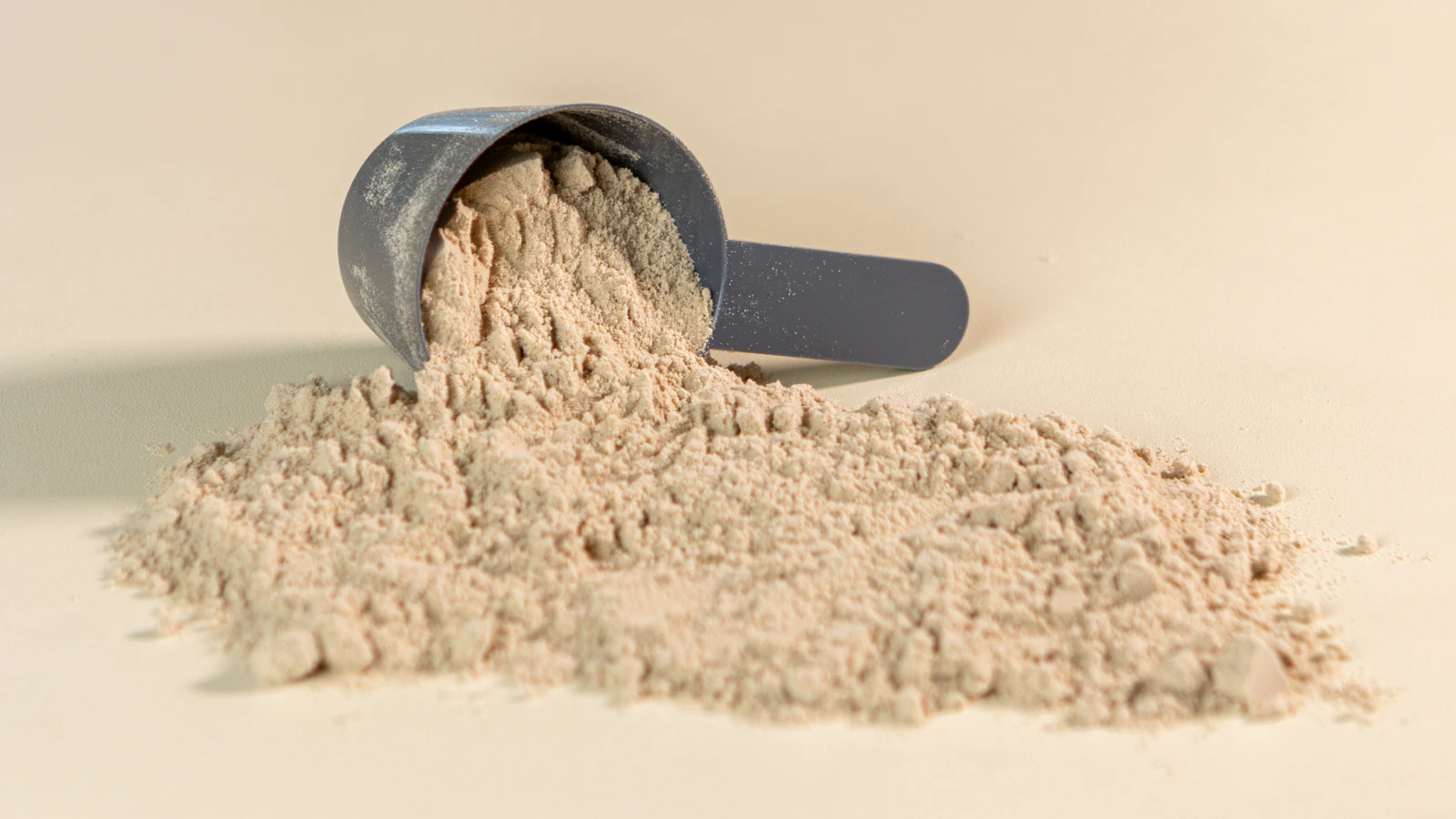
BUN is a kidney function marker that athletes should monitor regularly. Intense exercise, high-protein diets, and protein supplementation can all elevate BUN levels. Adequate hydration during training is essential for accurate results and optimal kidney function.

What It Measures

BUN measures the concentration of urea nitrogen in your blood. Urea is a waste product created in the liver when proteins are metabolised. It travels through the bloodstream to the kidneys, where it is filtered out and excreted in urine.

Because both the liver and kidneys play a role in urea processing, BUN levels can reflect the health of both organs. However, it is most commonly used as an indicator of kidney function.

Why It Matters

BUN is a valuable marker for assessing how effectively your kidneys are filtering waste from your blood. Elevated levels may indicate that the kidneys are not functioning optimally, which can be associated with dehydration, kidney disease, or other underlying conditions.

Monitoring BUN alongside other kidney markers such as creatinine and eGFR provides a more comprehensive picture of renal health and helps detect potential problems early.

When to Test

BUN testing is commonly included in routine health screenings and comprehensive metabolic panels. It may also be recommended when symptoms of kidney dysfunction are present, such as changes in urination patterns, persistent fatigue, or unexplained swelling.

Additional testing may be appropriate for individuals with risk factors for kidney disease, including diabetes, high blood pressure, a family history of kidney problems, or long-term use of certain medications.

Symptoms

Low Levels

Fatigue and general weakness
Loss of appetite or poor nutritional intake
Swelling related to fluid overload

High Levels

Fatigue and persistent tiredness
Nausea or vomiting
Confusion or difficulty concentrating
Decreased urine output
Swelling in the legs, ankles, or feet

Recommendations

Male

If Low

Low urea may indicate liver problems or overhydration. Consult your healthcare provider if symptomatic.

If High

Elevated urea may indicate kidney dysfunction or dehydration. Consider hydration and kidney function evaluation.

Female

If Low

Low urea may indicate liver problems or overhydration. Consult your healthcare provider if symptomatic.

If High

Elevated urea may indicate kidney dysfunction or dehydration. Consider hydration and kidney function evaluation.

Lifestyle Tips

Stay well hydrated throughout the day, as dehydration is a common cause of elevated BUN levels. Maintain a balanced diet with moderate protein intake, as very high protein consumption can increase BUN.

Manage blood pressure and blood sugar levels carefully, as both hypertension and diabetes are leading causes of kidney damage. Limit the use of over-the-counter pain medications such as NSAIDs, which may affect kidney function over time.

Frequently Asked Questions

Can eating a lot of protein raise my BUN levels?
Yes, a high-protein diet can increase BUN levels because more urea is produced as the body metabolises protein. This does not necessarily indicate kidney disease, but persistently elevated levels should be evaluated by a healthcare provider.
What is the difference between BUN and creatinine?
Both are waste products filtered by the kidneys, but they come from different sources. BUN comes from protein metabolism and is affected by diet and hydration, while creatinine comes from muscle metabolism and is generally more stable. Together, they provide a clearer picture of kidney function.
Can dehydration affect BUN results?
Yes, dehydration is one of the most common causes of elevated BUN. When you are dehydrated, the kidneys reabsorb more urea, leading to higher levels. Drinking adequate fluids before testing can help ensure accurate results.

Test Products

This marker is included in the following test panels.

Complete Health

360 Health

Broad health panel: hormones, thyroid, vitamins, lipids, liver, kidney, and blood count.

HbA1c (Glycated Hemoglobin) TSH (Thyroid Stimulating Hormone) Triglycerides Urea (BUN) Creatinine eGFR (Estimated Glomerular Filtration Rate) Free T4 (Thyroxine) LDL Cholesterol Liver Function Test (LFT) SHBG (Sex Hormone Binding Globulin) Vitamin B12 Vitamin D (25-OH) Free Testosterone Total Testosterone Free T3 (Triiodothyronine) Ferritin HDL Cholesterol Albumin Complete Blood Count (CBC)
€346,-