Kidney Health
Creatinine, eGFR, and BUN: key kidney function markers.
Every result includes a professional assessment from a BIG-registered doctor. For treatment decisions, discuss your results with your GP.
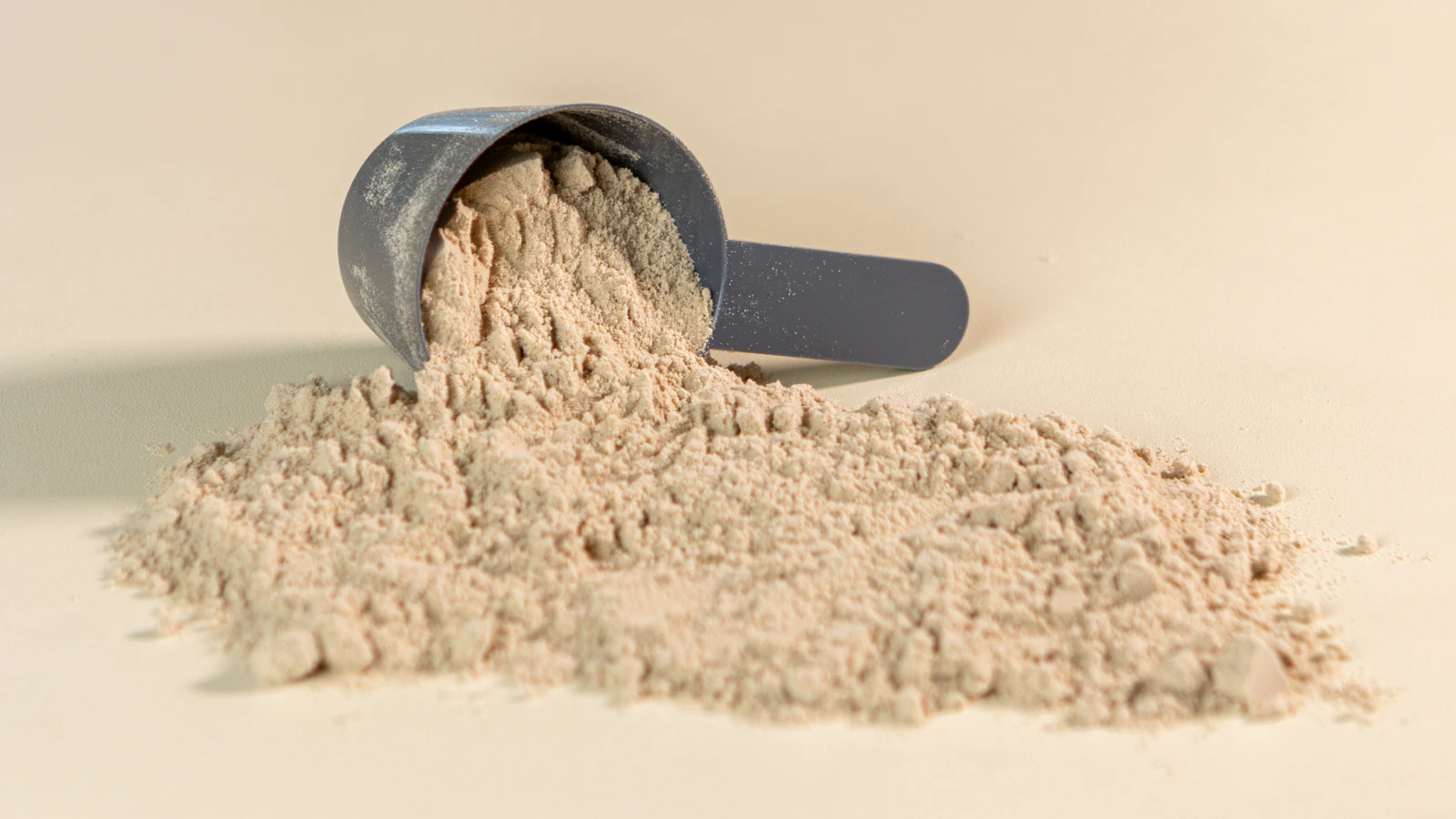
eGFR is essential for athletes to monitor kidney health. Intense exercise, high muscle mass, and protein supplementation can influence creatinine-based eGFR calculations, potentially underestimating true kidney function. Cystatin C-based eGFR may provide a more accurate assessment for athletes.
Reference ranges may vary between laboratories. When you order a test, a BIG-registered doctor assesses your personal results in context. For treatment decisions, discuss your results with your GP.
eGFR is not a direct measurement but a calculation. Based on your creatinine, age, and sex, it estimates how many millilitres of blood your kidneys filter per minute. The CKD-EPI formula is the current standard in the Netherlands.
Chronic kidney disease staging based on eGFR is: > 90 ml/min is normal (stage 1), 60–89 is mildly reduced (stage 2), 45–59 is mildly to moderately reduced (stage 3a), 30–44 is moderately to severely reduced (stage 3b), 15–29 is severely reduced (stage 4), and < 15 ml/min is kidney failure (stage 5).
An eGFR between 60 and 90 without other signs of kidney damage (protein in urine, abnormal urine sediment) is often physiological in the elderly and does not necessarily indicate disease.
Chronic kidney damage is largely irreversible, but progression can be slowed or stopped if detected early. eGFR is the cornerstone of that early detection. Diabetes and high blood pressure together account for more than 60% of all cases of chronic kidney damage — periodic eGFR monitoring in these patient groups is therefore essential.
At an eGFR below 60 ml/min, medication adjustments are often needed because many drugs are excreted by the kidneys. The dosage of contrast agents for CT scans must also be adjusted.
eGFR is automatically calculated when creatinine is measured. It is useful with risk factors for kidney damage: diabetes, high blood pressure, family history of kidney problems, long-term NSAID use, and for everyone over 50 as part of a preventive check. Fasting is not required.
Low eGFR indicates reduced kidney function. Consult a nephrologist for evaluation and management.
Normal to high eGFR indicates healthy kidney function. Maintain kidney-healthy habits.
Low eGFR indicates reduced kidney function. Consult a nephrologist for evaluation and management.
Normal to high eGFR indicates healthy kidney function. Maintain kidney-healthy habits.
Keep your blood pressure below 130/80 mmHg and blood sugar well regulated if you have diabetes — these are the two most effective measures to slow kidney function loss. Limit NSAID use, drink enough water, and avoid extremely high protein intake with already reduced kidney function. Stopping smoking also protects kidney function.
This marker is included in the following test panels.
Creatinine, eGFR, and BUN: key kidney function markers.
Broad health panel: hormones, thyroid, vitamins, lipids, liver, kidney, and blood count.