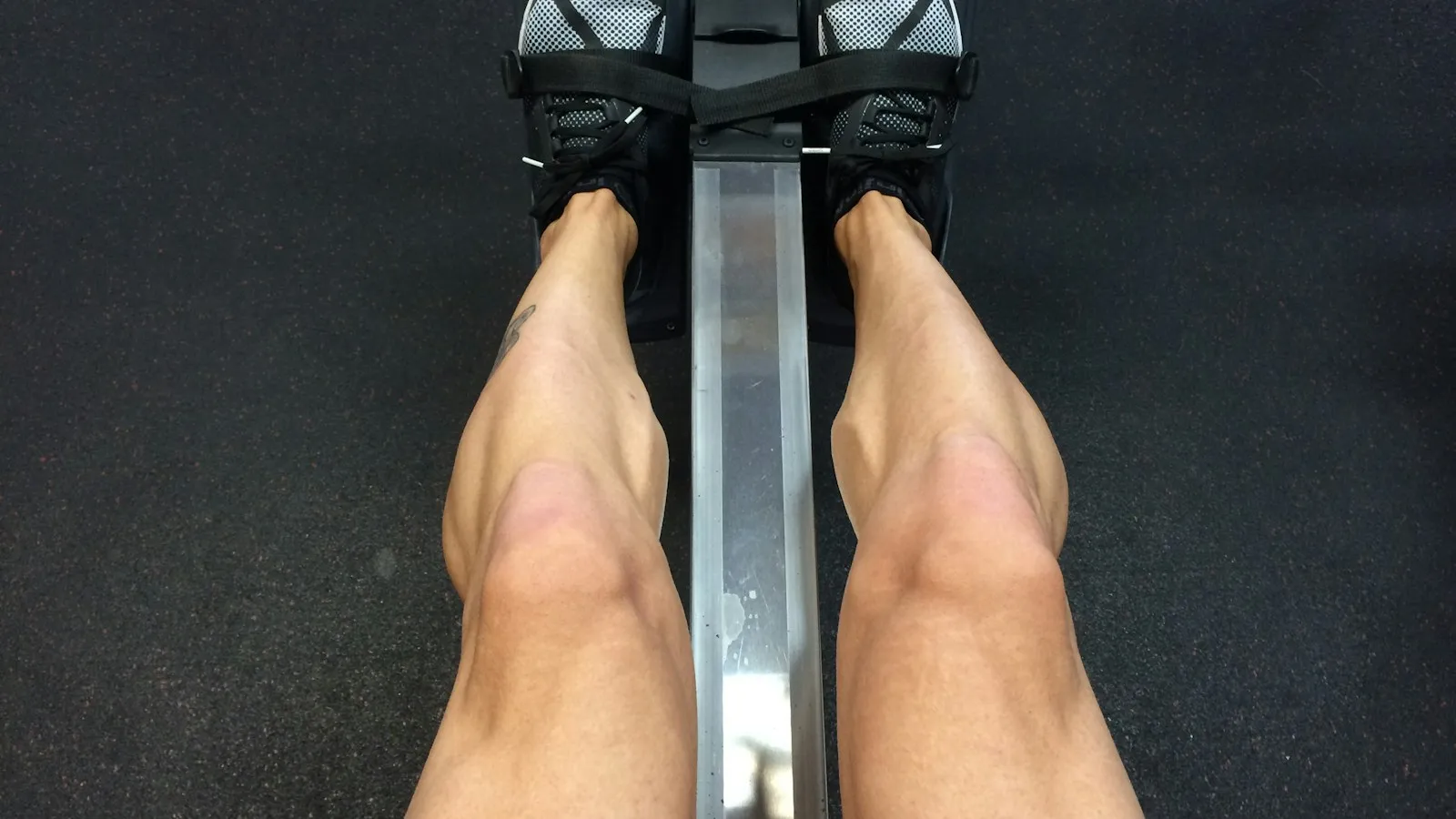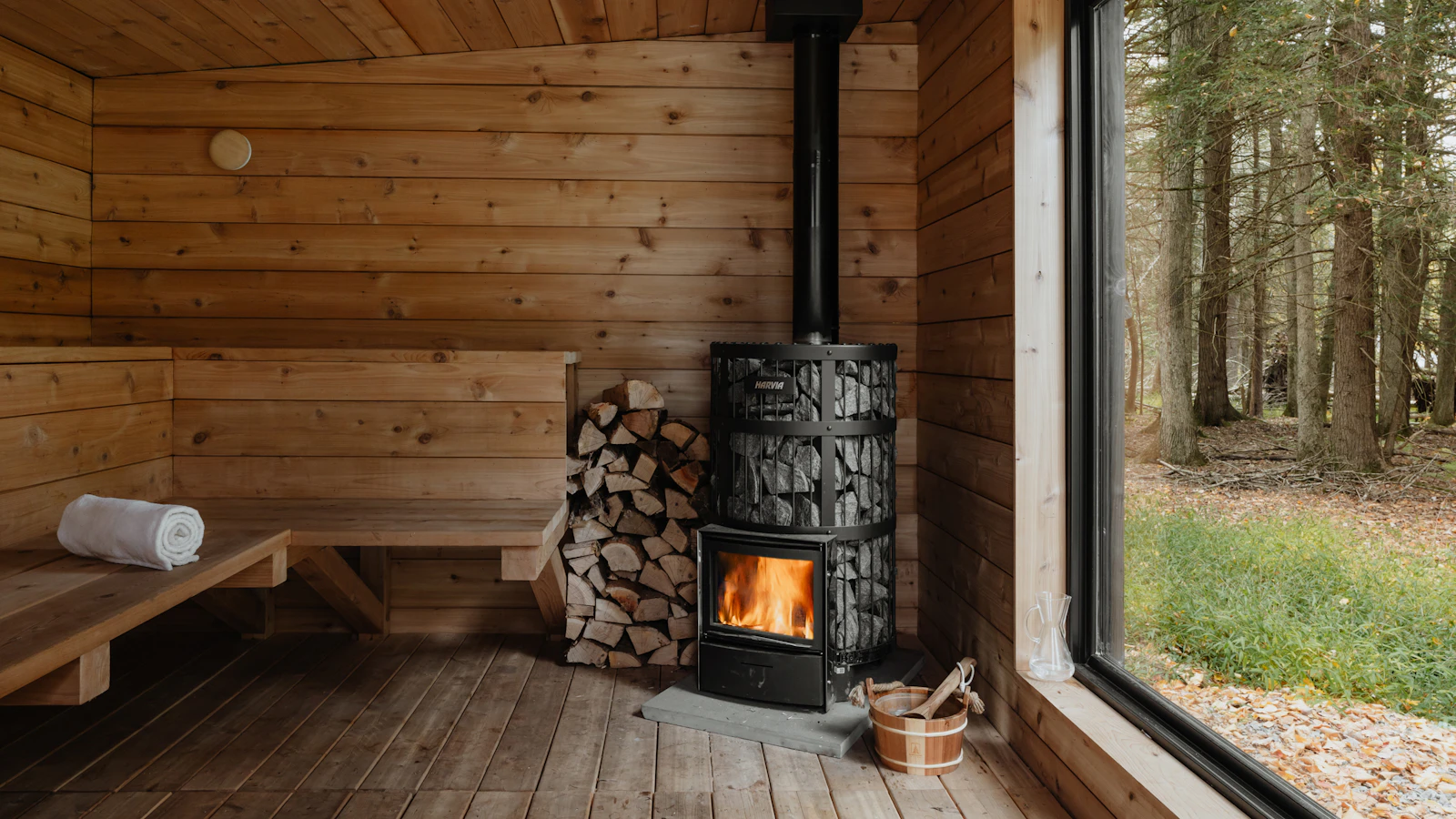
The ice-bath video and the post-workout sauna: few recovery trends are this popular and this overrated at once. Heat and cold demonstrably do something to your body, but not nearly everything the influencers promise. The question is what they really do to your heart, your recovery and your blood values.
My take: sauna and cold showers are fine habits for how you feel, but if you end every session with an ice bath you may actually work against your muscle gains. It depends on your goal.
What heat does to your body
In the sauna your heart rate rises and your blood vessels widen, roughly like during light exercise. You sweat, your heart rate climbs and your blood pressure adjusts. Research from Finland, where the sauna is deeply rooted, links regular sauna use to a more favourable cardiovascular profile, though this is observational work where cause and effect are hard to separate.
The Hartstichting stresses that the sauna is safe for most healthy people, but advises people with cardiovascular disease to consult their doctor first. Through sweating you lose fluid and salt, so replenishing is wise, especially around training. The RIVM, for heat in general, points out that drinking enough is important to prevent dehydration; that applies just as much to the voluntary heat of a sauna.
An interesting detail for endurance athletes: regular sauna exposure can provide a form of heat acclimatisation, where your body learns to cope better with warmth. Some athletes use this deliberately to prepare for a race in hot weather. The evidence is modest and it is no substitute for training, but as a pleasant side benefit it is worth knowing.
What cold does to your body
A cold shower or ice bath narrows your blood vessels, briefly raises your heart rate and gives an adrenaline kick. Many people feel awake and alert from it, and that effect is real. The claims about fat burning and the immune system are more cautious: there is some evidence, but the effects are small and the long-term picture is thin.
Important for athletes: cold exposure right after strength training can blunt the muscle-building signals. So anyone aiming for muscle mass is better off taking the ice bath on a rest day than straight after the weights. For endurance training it is more nuanced: there it is less about muscle growth, and cold after a hard session can briefly relieve the felt soreness. So the timing depends on what you train and what you want to achieve.
Timing makes the difference
The biggest misconception is that heat and cold are always good. The effect depends strongly on when you use it relative to your training. These rules of thumb help:
- Right after strength training and your goal is muscle growth: avoid cold, as it can blunt building signals.
- On a rest day or well after training: cold and heat are fine, choose what suits how you feel.
- Before a race or hard session: do not experiment with a new ice-bath routine; do what you know.
- When ill or with a smouldering infection: skip the extra stress of an ice bath or hot sauna.
Heat versus cold: which do you choose?
| Goal | What fits better | Why |
|---|---|---|
| Relaxation and a sense of recovery | Sauna | Vasodilation and wellbeing |
| Becoming awake and alert | Cold shower | Adrenaline kick and raised alertness |
| Muscle building after strength work | No cold right after | Cold can blunt building signals |
| Soreness after a hard session | Cold can briefly relieve | Temporarily reduces the sensation of pain |
And your blood values?
Right after a sauna or ice bath some values are temporarily skewed. Through fluid loss in the sauna your blood can thicken slightly, making markers like haematocrit look briefly higher. Hard effort or cold stress can temporarily move cortisol and inflammation markers such as CRP along with it. That is normal and says nothing about your long-term health.
The practical lesson: do not test your blood values right after a sauna or ice bath, but on a calm day under normal conditions. Otherwise you measure the snapshot, not your real status.
The same logic applies to the claims you come across online. A temporary change in a marker right after an ice bath is sometimes presented as proof of a lasting health effect, but it rarely is. What your body does acutely to cope with heat or cold says little about your long-term status. So judge the effect of sauna and cold by how you feel over weeks and by your recovery, not by a single value just after the session.
Using it safely
- Drink enough around the sauna; you lose fluid and salt.
- Build up cold and heat gradually; do not force anything.
- Consult your doctor with cardiovascular complaints, high blood pressure or pregnancy.
- Do not schedule an ice bath right after strength training if muscle growth is your goal.
To track your recovery objectively, build a panel with your inflammation and recovery markers via composing your own blood test. This article belongs to blood values for endurance athletes. More on recovery markers is in recognising overtraining through your blood values.
A blood test is a tool, not a diagnosis. At Enhanced a BIG-registered doctor assesses every result, so you know what a temporary deviation means in your situation.
Autor
Enhanced Health
Dr. Naimi, lekarz wpisany do holenderskiego rejestru BIG, nadzoruje standardy medyczne naszych treści i ocen. Przeczytaj naszą politykę medyczną
Powiązane artykuły
Hyrox times: what is a good finish time per level and per station?
Hyrox weights by division: one table for Open, Pro, Doubles and Relay