How much protein per day do you need for muscle growth? Research points to about 1.6 grams per kilo of body weight, with a range of 1.6 to 2.2 grams for strength athletes. Weigh 80 kilos and you land around 128 to 176 grams per day. The RDA of 0.83 grams per kilo is meant for non-athletes.
I think most lifters worry too much about the exact number. Hit your daily total, spread it across your meals, and you are fine.
How much protein per day do you need for muscle growth?
For muscle growth, research points to about 1.6 grams of protein per kilo of body weight per day. The range runs from 1.6 to 2.2 grams for strength athletes. More than 2.2 grams likely adds little. The RDA of 0.83 grams per kilo, based on the nutrition norms of the Gezondheidsraad, is for non-athletes.
A meta-analysis by Morton (2018) found that extra protein increases the muscle gains from resistance training. The gains flattened out around 1.6 grams per kilo. Beyond that point, no extra growth showed on average.
The Voedingscentrum, the Dutch nutrition authority, keeps 1.2 to 2 grams per kilo for keen strength athletes. Those numbers overlap with the sports science. Where you sit depends on your goal and your training volume.
The direction is clear: more than a non-athlete, less than the supplement shelves suggest.
Protein per kilogram of body weight: work it out
Take your weight in kilos and multiply it by your target number. If you want to build muscle mass, use 1.6 to 2.2 grams per kilo. If you want to lose fat and keep your muscle mass, you can sit higher. The table below works it out at 80 kilos.
| Goal | Protein (g/kg) | Example at 80 kg (g/day) |
|---|---|---|
| Fat loss (keep muscle mass) | 1.8 to 2.4 | 144 to 192 |
| Maintenance | 1.2 to 1.6 | 96 to 128 |
| Muscle growth | 1.6 to 2.2 | 128 to 176 |
Split that total across three to four meals. Per meal, 0.3 to 0.4 grams per kilo is a practical guide, roughly 25 to 40 grams of protein. That keeps muscle building active across the day.
Feel free to round to a whole number. The difference between 150 and 160 grams will not make or break your muscle building. Consistency over weeks matters more than the precise gram per day.
When you cut, protein counts double. It holds on to your muscle mass while you sit in a calorie deficit. That is why fat loss sits at the top of the table with the highest range.
Can you eat too much protein, and what does it do to your kidneys?
With healthy kidneys, there is no proven problem with a high protein intake. It can shift your blood values slightly: more protein means more urea and sometimes slightly higher creatinine. That reflects your diet, not kidney damage. If you have an existing kidney condition, talk to your doctor.
Your kidneys filter waste products such as urea out of your blood. Eat a lot of protein and more urea is released, so they filter a bit harder for a while. In healthy people that is normal physiology.
You can read more in our piece on protein intake and your kidneys. In short: the value changes, the organ is not damaged.
Drink enough water when you eat a lot of protein. That helps your kidneys clear the extra waste products.
Which protein sources are best?
Animal sources such as eggs, chicken, fish and dairy deliver all essential amino acids and plenty of leucine, the trigger for muscle building. Plant sources can work just as well, but then you combine sources and eat a bit more overall. Which source suits you depends on your diet.
A portion of 20 to 40 grams of protein per meal is enough for most athletes to trigger muscle building.
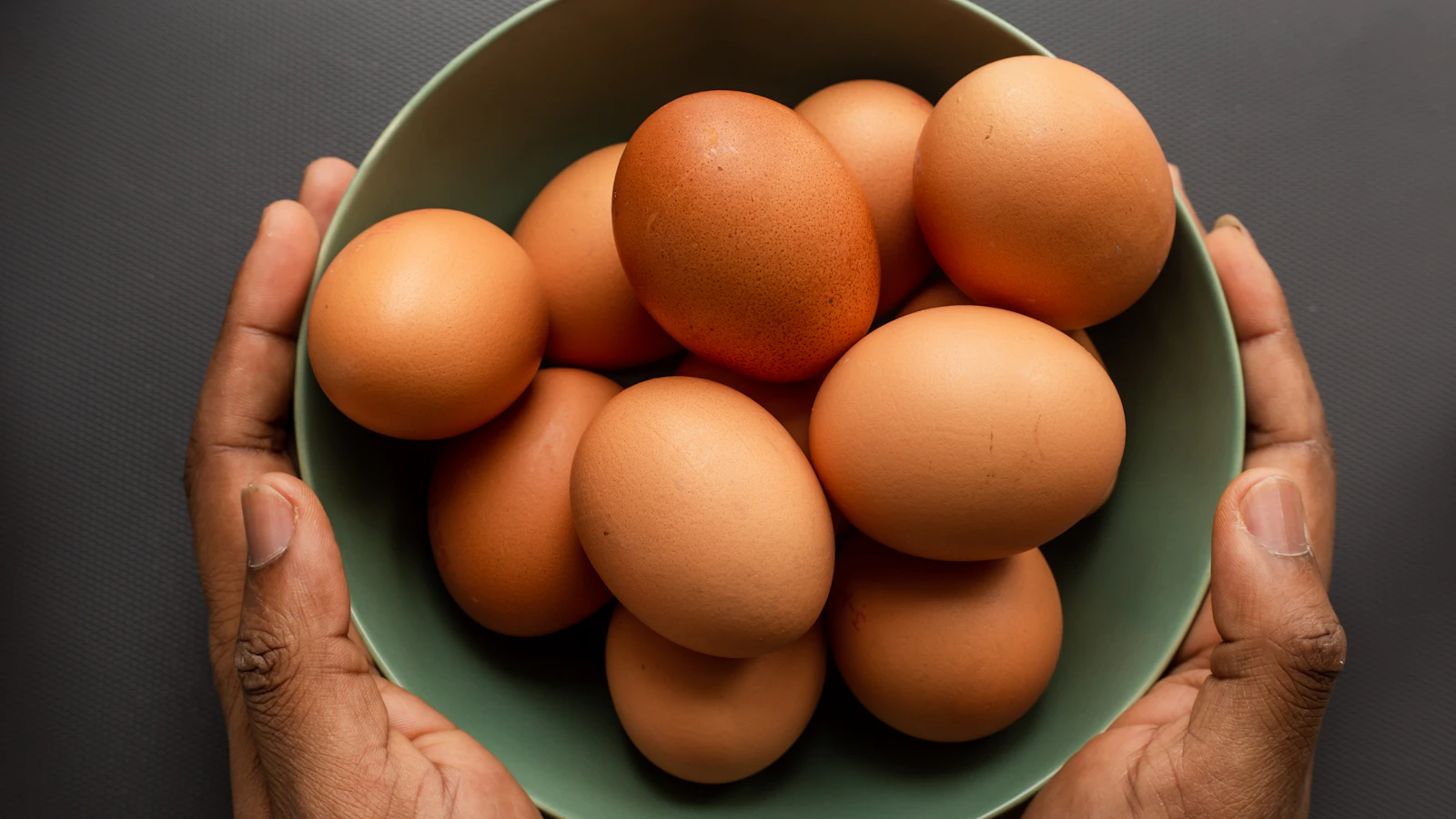
Think of three eggs, a tin of tuna or 150 grams of low-fat quark. Each of those delivers roughly 20 to 30 grams of protein. That way you add up your day quickly.
The full comparison between plant and animal protein is in a separate spoke. Your performance also depends on your carbohydrates, so do not look at protein alone.
How do you see in your blood whether your nutrition adds up?
Your urea is a rough indicator of your protein intake. Eat a lot of protein and drink little, and it can sit on the high side. It is not an exact meter and moves with your hydration. Together with your creatinine, it gives context.
Urea alone says little. It gives an impression, not a diagnosis. Always discuss a deviating value with your GP.
If you want a starting point, our 360 health blood test measures urea and creatinine among others. That shows where you stand now, before you push your protein up further.
For the complete approach to nutrition around your training, read our plan for muscle growth and recovery.
My advice: pick a number between 1.6 and 2.2 grams per kilo, spread it across the day, and check your blood values after a few months. Then you know whether your nutrition really adds up, instead of guessing.
References
- Voedingscentrum. Do you need extra protein for muscle recovery and muscle growth? 2024.
- Gezondheidsraad. Dietary reference values: protein. 2021.
- Morton RW, Murphy KT, McKellar SR, et al. A systematic review, meta-analysis and meta-regression of the effect of protein supplementation on resistance training-induced gains in muscle mass and strength in healthy adults. British Journal of Sports Medicine. 2018. PMID: 28698222.
Disclaimer
Every blood test result includes a professional assessment by a BIG-registered doctor. This article gives general information and is not a substitute for medical advice. A blood test is a tool to walk into the conversation with your GP better informed, not a diagnosis in itself. For treatment decisions, discuss your results with your GP.
Author
Enhanced Health
Dr. Naimi, BIG-registered physician, oversees the medical standards behind our content and assessments. Read our medical policy
Related Tests
Related Posts
ZMA supplement: what zinc, magnesium and B6 do to your testosterone
Tongkat ali side effects: banned in the Netherlands, and why