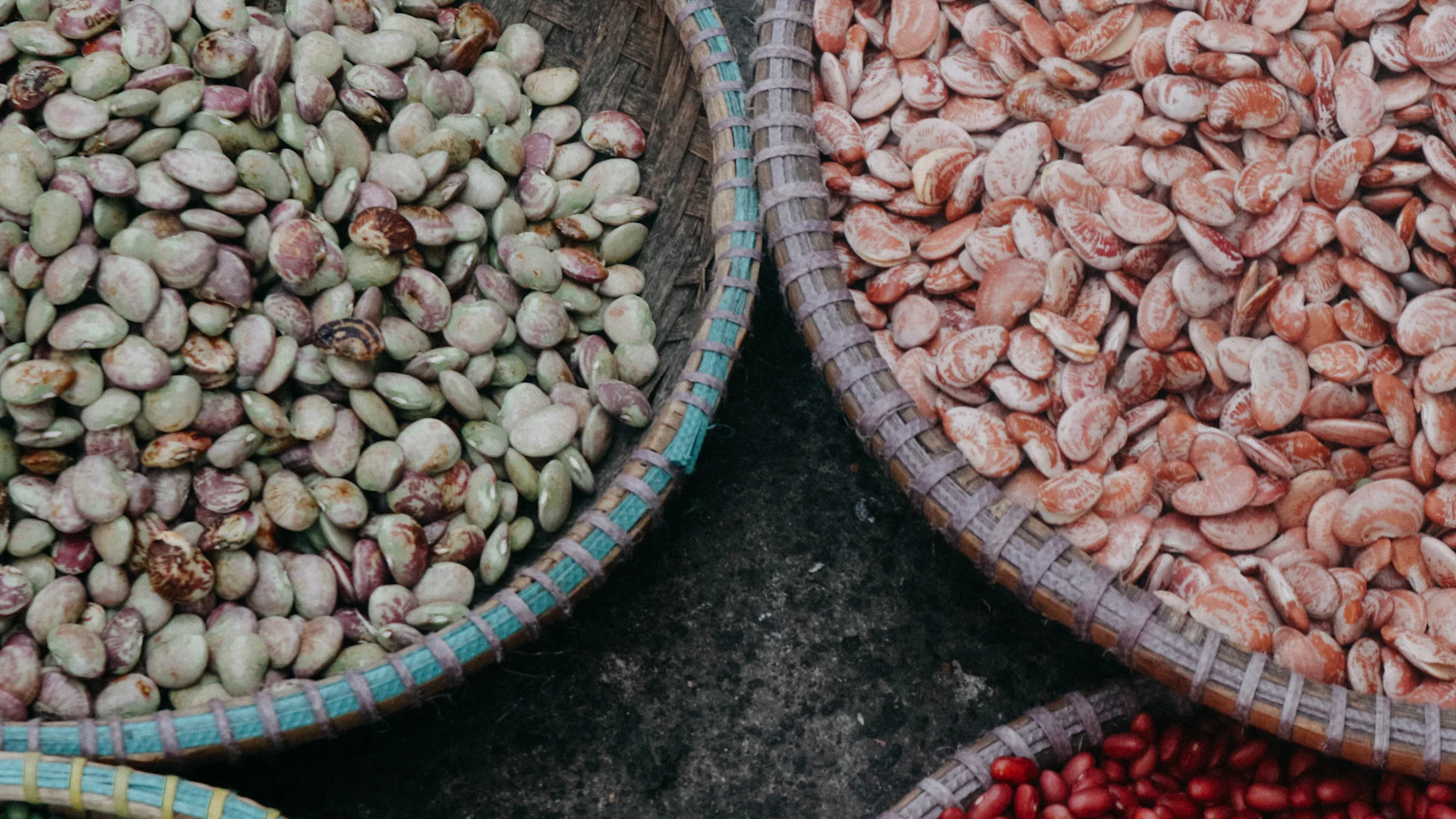
Plant protein can support muscle growth just fine, as long as you watch quality, quantity and variety. On average, animal protein is a bit more "complete" in amino acids and leucine. The Netherlands Nutrition Centre shows that combined plant sources largely close that gap. On a mostly plant-based pattern, count on roughly 10 to 30% more protein.
I think the meat-versus-plants battle distracts from what really counts. Enough total protein, chosen well and spread across the day, does most of the work.
Is plant protein as good as animal protein for muscle growth?
It can be, as long as you watch protein quality, total amount and variety. Plant proteins sometimes have less of one amino acid, like lysine or methionine. Animal protein delivers those more completely on average, with more leucine, the amino acid trigger for muscle growth. Combine your sources well and plant gets close.
Research on the muscle response to plant versus animal protein suggests the gap shrinks when you eat enough and combine sources (van Vliet, 2015). The Health Council of the Netherlands also advises a shift toward more plant, around 60% plant and 40% animal.
Put simply: a serving of soy is not equal to a serving of whey. Yet your daily total counts more than the single source.
In practice, I see lifters on plants trip over their total intake, not the amino acids. Hit your protein goal and vary your sources, and muscle growth is well within reach.
For the full picture, read the pillar nutrition for muscle growth.
What is the difference in protein quality?
Protein quality is about how well your body absorbs and uses the amino acids. Two things count: a complete amino acid profile and the leucine content. Whey scores high on both, soy sits just below indicatively, and pea or rice each miss one amino acid. A sports-nutrition rule of thumb names about 2.5 to 3 grams of leucine per meal as the trigger.
The matrix below is an indication, not an exact ranking.
| Protein source | Leucine content (relative) | Complete amino acid profile? | DIAAS (indicative) |
|---|---|---|---|
| Whey | High | Yes | High |
| Casein | Medium to high | Yes | High |
| Soy | Medium | Yes | Medium |
| Pea | Medium | Limited (low methionine) | Medium |
| Rice | Low to medium | Limited (low lysine) | Low |
See the matrix as a compass, not a final verdict.
DIAAS stands for Digestible Indispensable Amino Acid Score, a measure of digestibility and profile. A soy isolate scores higher than whole beans, because processing improves absorption. A pea-rice blend in powder often lifts quality toward that of whey.
Rice and pea complement each other nicely. Rice is low in lysine and rich in methionine, with pea it is the other way around. Together they cover your amino acid profile better than apart.
How much plant protein do you need for muscle growth?
A bit more than on a diet with meat and dairy. The Netherlands Nutrition Centre uses roughly 10% extra for vegetarians and 30% extra for vegans. That compensates for the lower absorption and the sometimes tighter amino acid profile of plant proteins.
Combine sources that complement each other, like rice with legumes, or tofu with wholegrain. That way you still get all essential amino acids in, spread across your meals. Complete plant sources like soy, tempeh, quinoa and hemp seed make it extra easy.
An example: 150 grams of tempeh, a portion of lentils and a scoop of soy isolate together deliver plenty of leucine. That builds a plant-based meal that truly speaks to your muscles.
Want to calculate your total goal per kilo of body weight? Read how much protein per day for muscle growth.
Which deficiencies should you watch when eating plant-based?
Iron, vitamin B12 and omega-3 need attention on a plant-based pattern in particular. Plant iron (non-heme) is absorbed less well, B12 sits almost only in animal products, and the omega-3 fats EPA and DHA are hard to get from plants. A shortfall can slow your energy and recovery.
For B12 and omega-3 a supplement, such as algae oil, can help. If in doubt, discuss it with your (sports) doctor or dietitian.
Plant iron is absorbed better with vitamin C, for example bell pepper or citrus with your meal. Tea and coffee close to eating slow absorption down, so leave some space between them.
Beyond these micronutrients, your fluid and salt balance counts too; read about that in electrolytes and hydration for athletes.
More on the micronutrients that count: vitamins and minerals for athletes, vitamin B12 and energy and iron deficiency in athletes.
How do you check this through your blood?
A blood test shows whether your plant-based approach puts your values under pressure. Ferritin shows your iron stores, vitamin B12 your B12 status, and the omega-3 index your EPA and DHA level. See these values as data points, not a diagnosis.
They tell you whether your sources do what you hope, or whether a gap opens somewhere. A broad panel like our 360 health blood test picks up these markers in one go.
Always discuss a deviation with your GP before you start supplementing.
My advice: choose plant-based if it fits you, but measure your ferritin, B12 and omega-3 index when you doubt whether your sources deliver enough. Measuring beats guessing.
References
- Netherlands Nutrition Centre (Voedingscentrum). Proteins. 2024.
- Health Council of the Netherlands (Gezondheidsraad). Healthy protein transition. 2023.
- van Vliet S, Burd NA, van Loon LJC. The Skeletal Muscle Anabolic Response to Plant- versus Animal-Based Protein Consumption. The Journal of Nutrition. 2015. PMID: 26224750.
Disclaimer
Every blood test result includes a professional assessment by a BIG-registered doctor. This article gives general information and is not a substitute for medical advice. A blood test is a tool to walk into the conversation with your GP better informed, not a diagnosis in itself. For treatment decisions, discuss your results with your GP.
Author
Enhanced Health
Dr. Naimi, BIG-registered physician, oversees the medical standards behind our content and assessments. Read our medical policy
Related Tests
Related Posts
ZMA supplement: what zinc, magnesium and B6 do to your testosterone
Tongkat ali side effects: banned in the Netherlands, and why