Doctor's Assessment Included
Every result includes a professional assessment from a BIG-registered doctor. For treatment decisions, discuss your results with your GP.
Transferrin Saturation: How Well Does Your Body Transport Iron?
Transferrin saturation measures the percentage of iron-transport protein carrying iron, a critical marker for athletic performance. Optimal iron status is essential for oxygen transport to working muscles, endurance capacity, and recovery from training.
What It Measures
This test calculates the percentage of transferrin protein that is carrying iron, derived from serum iron and total iron-binding capacity. It provides a more complete picture of iron status than either measurement alone.
Why It Matters
Transferrin saturation is one of the most informative markers for assessing iron balance. It can help identify iron deficiency before anemia develops and is also valuable for detecting iron overload conditions such as hemochromatosis.
When to Test
Testing may be recommended when iron deficiency or iron overload is suspected, as part of anemia investigation, during monitoring of iron supplementation, or as a screening tool for hereditary hemochromatosis.
Symptoms
Low Levels
Low transferrin saturation may indicate iron deficiency, anemia of chronic disease, or inadequate dietary iron intake. Symptoms that can be associated include fatigue, weakness, pale skin, shortness of breath, and difficulty concentrating.
High Levels
High transferrin saturation may indicate iron overload, hemochromatosis, or liver disease. Symptoms that can be associated with iron overload include joint pain, fatigue, abdominal pain, and skin color changes.
Lifestyle Tips
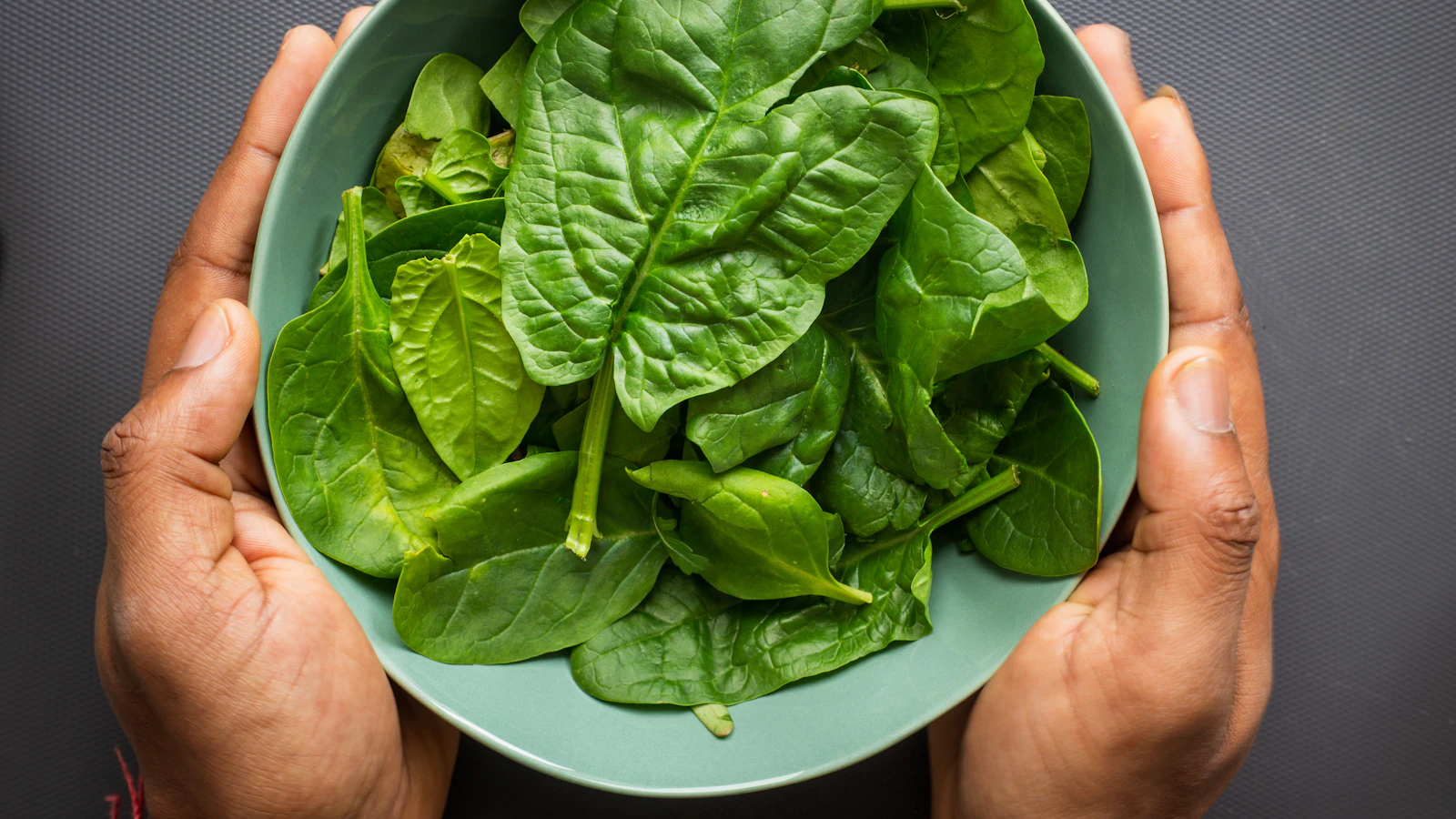
For low iron status, include iron-rich foods such as lean red meat, poultry, fish, beans, and dark leafy greens. Vitamin C enhances iron absorption. For high iron status, follow your healthcare provider's guidance regarding dietary modifications and monitoring.
Frequently Asked Questions
What is a healthy transferrin saturation percentage?
The reference range for transferrin saturation typically falls between 20% and 50%, though this may vary by laboratory and individual factors. Your healthcare provider will interpret your results in the context of your overall health. Consult a healthcare professional for interpretation of results.
How is transferrin saturation different from ferritin?
Transferrin saturation reflects how much iron is currently being transported in your blood, while ferritin reflects your body's iron stores. Together, they provide a comprehensive picture of your iron status.
Can inflammation affect transferrin saturation?
Yes, inflammation can lower transferrin levels and affect the saturation calculation. Your healthcare provider may consider inflammatory markers alongside transferrin saturation for a more accurate assessment.