Kidney Health
Creatinine, eGFR, and BUN: key kidney function markers.
Every result includes a professional assessment from a BIG-registered doctor. For treatment decisions, discuss your results with your GP.
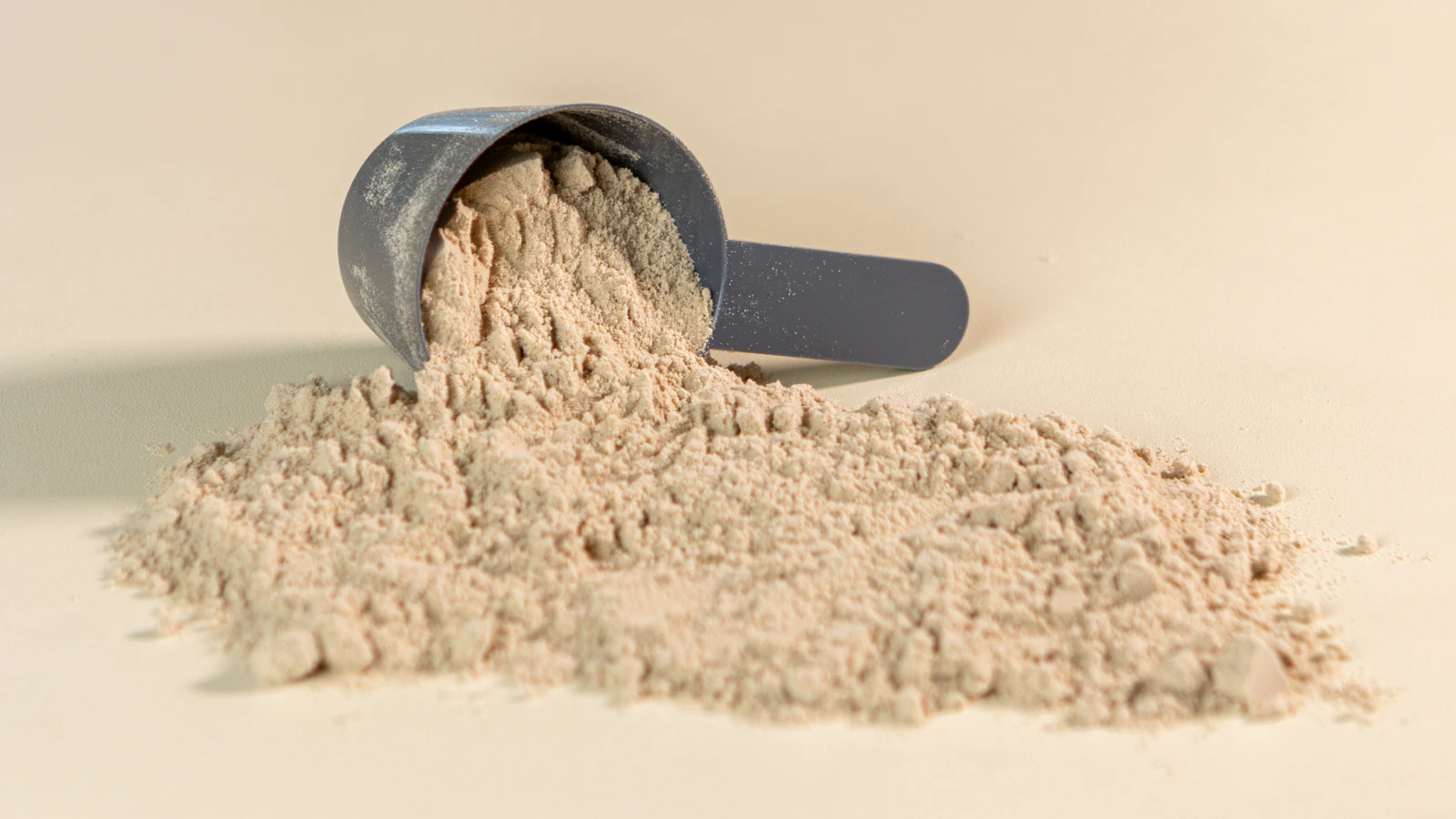
BUN is a kidney function marker that athletes should monitor regularly. Intense exercise, high-protein diets, and protein supplementation can all elevate BUN levels. Adequate hydration during training is essential for accurate results and optimal kidney function.
This test measures the amount of urea in the blood. Urea is created when protein is broken down and is produced in the liver. Through the bloodstream it reaches the kidneys, where the blood is filtered and urea leaves the body through urine. Sometimes free urea is reported alongside urea. Because both the liver and the kidneys play a role, the urea value can say something about how well these organs work; it is most often used to look at kidney function.
The amount of urea in the blood can give an impression of how well your kidneys filter waste products. Higher values may suggest the kidneys are not working well, but they can also relate to dehydration or to how much protein is in your diet. If you eat few proteins, the value can come out lower. Because urea is sensitive to several factors, it is usually viewed together with markers such as creatinine and eGFR. Your GP can help you place the result in context.
BUN testing is commonly included in routine health screenings and comprehensive metabolic panels. It may also be recommended when symptoms of kidney dysfunction are present, such as changes in urination patterns, persistent fatigue, or unexplained swelling.
Additional testing may be appropriate for individuals with risk factors for kidney disease, including diabetes, high blood pressure, a family history of kidney problems, or long-term use of certain medications.
Low urea may indicate liver problems or overhydration. Consult your healthcare provider if symptomatic.
Elevated urea may indicate kidney dysfunction or dehydration. Consider hydration and kidney function evaluation.
Low urea may indicate liver problems or overhydration. Consult your healthcare provider if symptomatic.
Elevated urea may indicate kidney dysfunction or dehydration. Consider hydration and kidney function evaluation.
Stay well hydrated throughout the day, as dehydration is a common cause of elevated BUN levels. Maintain a balanced diet with moderate protein intake, as very high protein consumption can increase BUN.
Manage blood pressure and blood sugar levels carefully, as both hypertension and diabetes are leading causes of kidney damage. Limit the use of over-the-counter pain medications such as NSAIDs, which may affect kidney function over time.
This marker is included in the following test panels.
Creatinine, eGFR, and BUN: key kidney function markers.
Broad health panel: hormones, thyroid, vitamins, lipids, liver, kidney, and blood count.