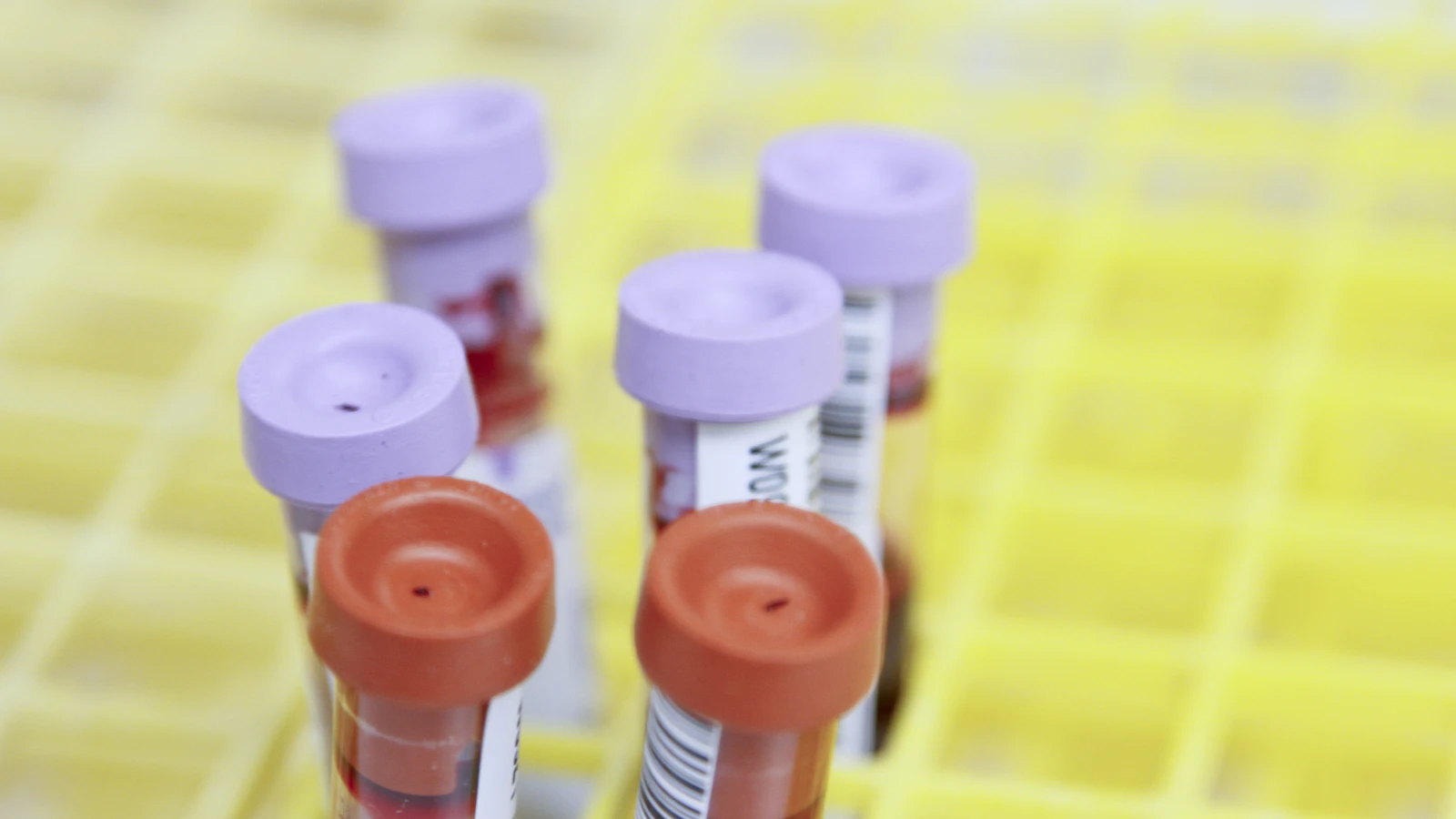
Chronic low grade inflammation is a long running rise in inflammatory activity, too weak to make you feel ill but strong enough to matter over years. It is usually measured with hs-CRP, a sensitive version of the CRP test. Values under 1 mg/l are generally read as low, above 3 mg/l as raised.
Search for it and you will find claims like "the silent cause behind 90 percent of all disease". That makes me suspicious, and it should make you suspicious too.
The real science is more careful, and more interesting.
What does chronic inflammation do to your body?
Acute inflammation is useful: it clears up damage and then switches off. Low grade inflammation never fully switches off and keeps your immune system idling. Over time that goes together with stiffer blood vessels, slower muscle building and a less favourable metabolism.
Ferrucci and Fabbri described this as "inflammageing", where chronic inflammation and ageing reinforce each other (PMID 30065258). It is not a disease, it is a state.
That distinction is almost always dropped online.
How does chronic inflammation develop?
Rarely from one cause. It is usually the sum of visceral fat, poor sleep, alcohol, chronic stress, a smouldering infection and a heavily negative energy balance. In athletes one more factor gets forgotten, namely a training load that is structurally larger than recovery.
Fat tissue around the organs is the heaviest factor here. It is metabolically active and releases inflammatory signals.
Sleep is the most underrated one. Four nights of five hours do more to your hs-CRP than most people expect.
Which value counts as too high?
For hs-CRP, under 1 mg/l is often read as low, 1 to 3 mg/l as average and above 3 mg/l as raised. Above 10 mg/l a doctor will think of an acute infection or injury rather than low grade inflammation. The large meta-analysis by the Emerging Risk Factors Collaboration showed that higher CRP values are associated with a higher risk of cardiovascular disease (PMID 20031199).
Note the wording: associated is not the same as caused. The Hartstichting, the Dutch heart foundation, is consistently careful here, and rightly so.
| Hs-CRP | How it is usually read | What an athlete should rule out first |
|---|---|---|
| Under 1 mg/l | Low | Nothing. Retest in six to twelve months if you want to follow the trend |
| 1 to 3 mg/l | Average | Sleep, alcohol, visceral fat, training load |
| 3 to 10 mg/l | Raised | Hard training in the past 72 hours, injury, a cold, dental inflammation |
| Above 10 mg/l | Fits acute inflammation better | Discuss this with your GP rather than interpreting it yourself |
Why is a test right after training worthless?
Because muscle damage is itself an inflammatory response. A heavy lifting session, a long run or a race can lift your hs-CRP for days, sometimes well above 3 mg/l, without anything being wrong. Test on day two after a leg day and you are measuring your training, not your health.
Take two men of 44 with the same lifestyle. One tests on Monday morning, three days after his last hard session, and scores 0.8 mg/l. The other tests on Saturday, eighteen hours after a squat session, and scores 4.2 mg/l. Same man, different story.
My rule of thumb: at least 72 hours after a hard session, fasted, and not while you have a cold.
If you experience inflammation mainly as an energy problem, the other angle sits in hs-CRP and fatigue.
How do you lower chronic inflammation?
The levers are boring and effective: less visceral fat, more sleep, less alcohol, and a training load that matches your recovery. Food helps mostly through that route, not through a single superfood. RIVM and the Voedingscentrum point consistently at this same list, and not at supplements.
Exercise is a paradox here. A single hard session raises inflammation briefly, while training regularly lowers your baseline over months.
I think that is the nicest property of this marker. It punishes recklessness and rewards consistency.
What do you measure alongside hs-CRP?
Inflammation rarely stands alone. In the same result, look at blood sugar, lipids and ferritin, because together they sketch the picture that hs-CRP is only one piece of. A raised hs-CRP next to a climbing HbA1c tells a different story than a raised hs-CRP with perfect glucose.
You will find the hs-CRP blood value in the 360 Health blood test, together with glucose, lipids and kidney function. The wider context sits in healthy ageing as an athlete, and why this marker weighs so heavily in ageing models is covered in measuring biological age.
Book your next test for a quiet Monday. That is the cheapest quality upgrade you can make.
References
- Ferrucci L, Fabbri E. Inflammageing: chronic inflammation in ageing, cardiovascular disease, and frailty. Nature Reviews Cardiology, 2018. PMID 30065258
- Emerging Risk Factors Collaboration. C-reactive protein concentration and risk of coronary heart disease, stroke, and mortality: an individual participant meta-analysis. The Lancet, 2010. PMID 20031199
- Levine ME et al. An epigenetic biomarker of aging for lifespan and healthspan. Aging (Albany NY), 2018. PMID 29676998
- RIVM, lifestyle and chronic conditions.
Every blood test result includes a professional assessment from a BIG-registered doctor. For treatment decisions, discuss your results with your GP.
Autor
Enhanced Health
Powiązane badania
Powiązane artykuły

Grip strength: the longevity marker you can measure for free

Bone density in athletes: the blood values behind strong bones