High blood sugar without diabetes is more common than most articles suggest. Bad sleep, a stressful week, a bug, certain medications and your training itself all push the same button, and none of those has anything to do with your pancreas.
So the question is rarely "why is it high".
The question is whether it was high once or is high always. Almost no Dutch page makes that distinction, and it is the only distinction that gets you anywhere. A blip and a pattern look identical on your result.
What can raise your blood sugar if you do not have diabetes?
Six things you can recognise yourself. Almost all of them work via cortisol and adrenaline, which tell your liver to release glucose. Your body thinks you need it, so you get it.
Metabolically, stress is not fussy about its source.
| Cause | Why your value rises | Blip or pattern? |
|---|---|---|
| Bad night | More cortisol, less insulin sensitivity | Blip, unless your sleep is structurally poor |
| Heavy training session | Your body is releasing fuel | Blip, it belongs there |
| Illness or inflammation | Stress hormones during recovery | Blip, goes with the illness |
| Stressful period | Same hormone route, longer duration | Can look like a pattern for weeks |
| Medication such as prednisone | Corticosteroids raise glucose directly | Pattern for as long as you take them |
| Insulin resistance | Your insulin has to work harder | Pattern, rested and calm too |
Row two is the row that appears nowhere else. Your training can push your value up, and that is not a defect but exactly what your body should do when you load it hard.
Why does training raise my blood sugar?
Because your body is delivering fuel. During a heavy session your adrenal glands release adrenaline and cortisol, and those tell your liver to release glucose so your muscles can use it. Measure right afterwards and you measure that response.
You disturbed your own measurement by training well.
That is why the moment of your draw decides more than most people realise. Draw the morning after a heavy leg session and your session is partly in your result. Draw after two quiet days and you measure more of your baseline.
Picture two lifters both landing on 6.1. One drew on Monday after a Sunday deadlift session, on six hours of sleep. The other drew on a quiet Sunday after three calm days. Same number, and only the second measured something that is about him.
What do you feel with a high blood sugar?
At the values this article covers: usually nothing. That matters to know, because the symptom lists you find online (thirst, frequent urination, blurred vision) belong to values far above the range a healthy athlete sits in.
At 6.2 you feel nothing. Not even if you pay close attention.
That means two things. You cannot go by feel to know whether your value is high, and you also need not fear that you are missing something. The symptoms the Dutch Diabetes Fonds describes belong to a different range than this page. If you genuinely stay tired, blood sugar dips and energy is probably more relevant to you.
How do you know whether it is a pattern?
By removing the noise and measuring again. Measure three times at comparable, quiet moments: rested, at least two days after your last heavy session, not ill, not mid-deadline-week. If you still see the same thing, it is yours.
Three honest measurements beat ten random ones.
The morning stays your trickiest moment, because your hormones push your glucose up before you are awake anyway. Bolli and Gerich showed this in eight healthy volunteers: after 5:30am their glucose rose, while cortisol and adrenaline climbed between 4:00 and 6:30am (PMID 6389230). That happens to you too. More on that in high fasting glucose while you are fit.
Does a normal result mean everything is fine?
Not necessarily, and this is the side almost nobody covers. You can have a tidy fasting value and still make spikes nobody has ever seen, simply because one draw cannot see them.
Normal here mostly means: not measured.
Stanford researchers had people with normal standard values wear a sensor. That group spent 15 percent of the time in the prediabetic range and 2 percent in the diabetic range (PMID 30040822). All people who had been told their blood sugar was fine.
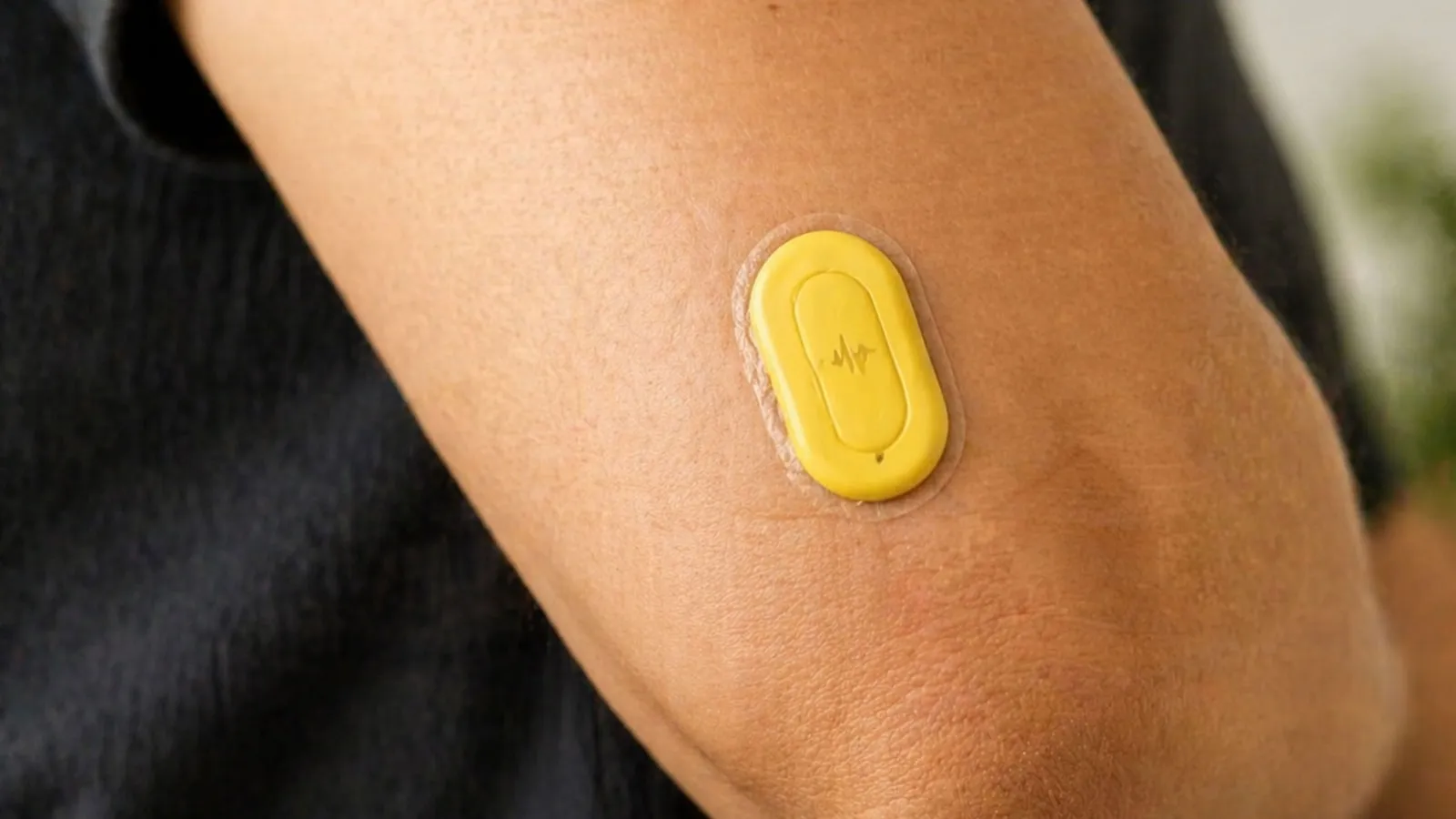
That makes "my value is normal" a weaker reassurance than it feels. What a sensor does and does not add there sits in continuous glucose monitor without diabetes, and which method fits which question in measuring your blood sugar.
What if it does turn out to be a pattern?
Then your next measurement is insulin, not another glucose reading. Your glucose says where you land. Your insulin says what it cost, and only that second number turns a raised value into a story.
Another glucose reading adds nothing. Insulin does.
A 6.1 with a low insulin means something different to a 6.1 your pancreas is working hard for. That combination is called HOMA-IR and is explained in fasting insulin and HOMA-IR. Where this can lead sits in insulin resistance. And what lifestyle demonstrably does sits in lowering blood sugar, because this article is about explaining, not about fixing.
Thuisarts describes plainly what your GP does with a raised value, which is a welcome antidote to the rest of the internet.
Does moving help in the short term?
Yes, and better after eating than before. That is one of the few things in this domain the research is surprisingly clear about, and it is free.
Walking after your meal is the cheapest intervention you have.
A meta-analysis of 8 randomised trials with 116 participants found that moving after the meal lowered the glucose excursion compared with moving before it (standardised difference 0.47) and compared with doing nothing (0.55). Moving before the meal did almost nothing (PMID 36715875). How to handle the spike itself sits in glucose spike after eating.
RIVM tracks how many people in the Netherlands meet the physical activity guidelines, and it is fewer than half. You probably do, which means the standard advice under every article is already in place for you.
What do you do next?
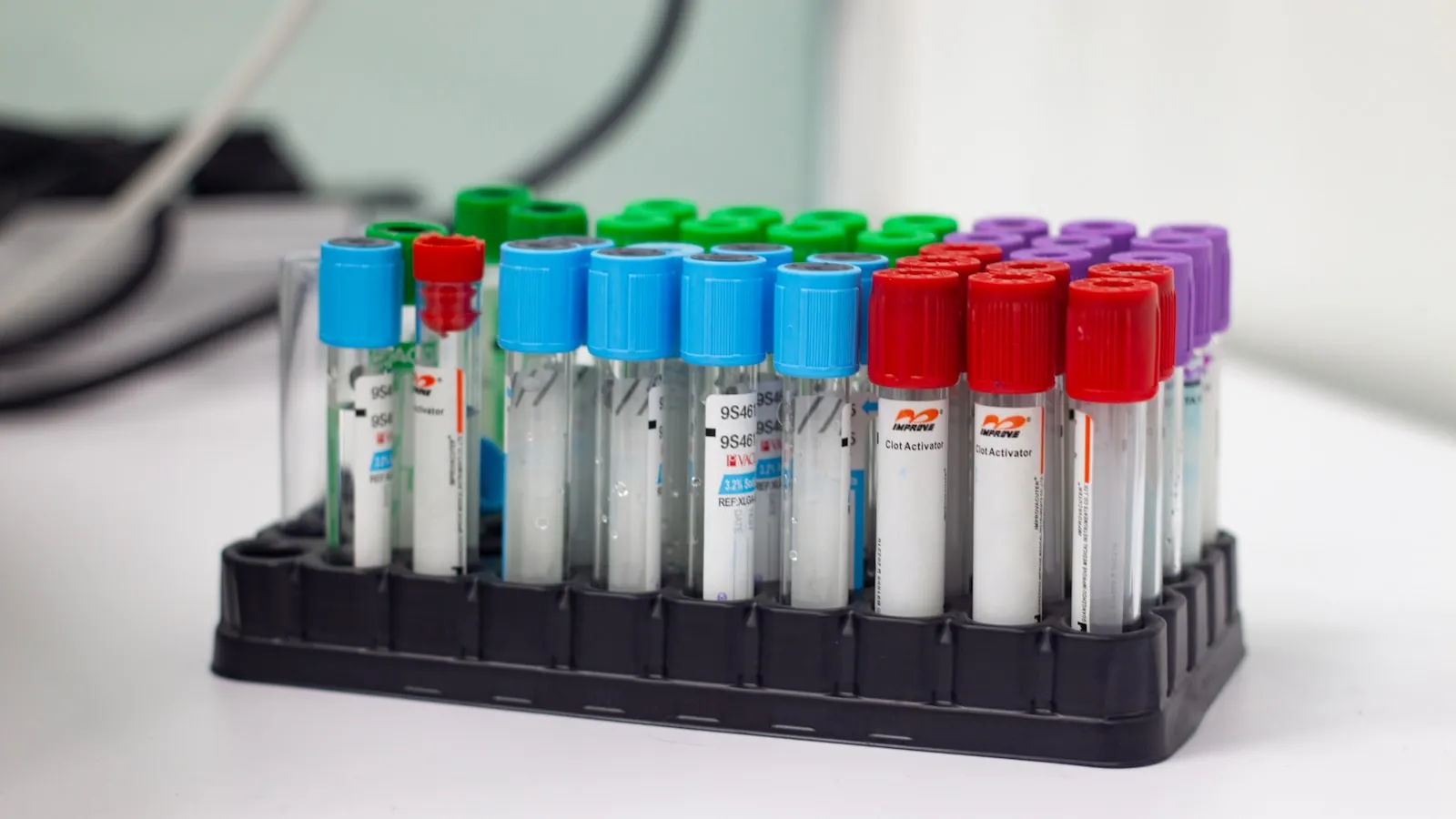
Measure again under honest conditions and take insulin in the same tube. Write down how you slept and what you trained that week, because those two lines decide half your result.
My advice: do not throw any measurement away, but give them all a date and a context. A spreadsheet with four honest points beats every one-off panic reading.
You draw glucose and insulin together with the HOMA-IR test, or more broadly with 360 Health. The full overview sits in blood sugar values when you train, and the individual value at fasting glucose.
Every blood test result includes a professional assessment from a BIG-registered doctor. For treatment decisions, discuss your results with your GP.
References
- Hall H, Perelman D, Breschi A, Limcaoco P, Kellogg R, McLaughlin T, Snyder M. Glucotypes reveal new patterns of glucose dysregulation. PLoS Biology, 2018. PMID 30040822.
- Bolli GB, De Feo P, De Cosmo S, Perriello G, Ventura MM, Calcinaro F, Lolli C, Campbell P, Brunetti P, Gerich JE. Demonstration of a dawn phenomenon in normal human volunteers. Diabetes, 1984;33(12):1150-3. PMID 6389230.
- Engeroff T, Groneberg DA, Wilke J. After Dinner Rest a While, After Supper Walk a Mile? A Systematic Review with Meta-analysis on the Acute Postprandial Glycemic Response to Exercise Before and After Meal Ingestion in Healthy Subjects and Patients with Impaired Glucose Tolerance. Sports Medicine, 2023. PMID 36715875.
- Diabetes Fonds. Recognising hypos and hypers.
- Thuisarts. I have a raised blood sugar.
- RIVM. Figures on meeting the physical activity guidelines.
Author
Enhanced Health
Related Tests
Related Posts

Glucose spike after eating: when it helps your training and when it does not

High fasting glucose while you are fit? This is what happens in the morning