
Insulin resistance means your cells respond less well to insulin, so your pancreas makes more of it to keep your blood sugar normal. That process often runs for 5 to 10 years before your glucose moves. The good news: in an early stage it usually responds well, and a few blood values bring it into view.
I think insulin resistance is the clearest example of measuring too late. By the time your glucose is officially high, your body has often been compensating for years.
What is insulin resistance?
Insulin resistance is a state where your muscle, fat and liver cells become less sensitive to insulin. Insulin is the hormone that ushers sugar from your blood into your cells. When your cells respond more weakly, your body makes more insulin for the same effect. That raised insulin is often the first signal.
The opposite of resistance is insulin sensitivity. The more sensitive you are, the less insulin you need to keep your blood sugar steady.
The phase with high insulin but still normal sugar is called hyperinsulinaemia. Your glucose looks reassuring, while your fasting insulin already tells the real story.
What causes insulin resistance?
Insulin resistance rarely comes from a single cause. Usually several factors work together. Fat around your organs, little movement, lack of sleep, chronic stress and genetics all add to it. Your age plays a part too, as insulin sensitivity often declines a little as you get older.
Fat around your belly and organs is called visceral fat. It is metabolically active and disrupts how your cells respond to insulin. That is why your waist size often tracks insulin resistance more closely than the number on the scale.
Poor sleep and high stress raise your cortisol. That hormone can push your blood sugar up and lower your sensitivity further. So lifestyle factors reinforce each other. The annoying part is that they add up, but the good news is that one change often presses several buttons at once.
There is also a group for whom genetics weigh heavier. If type 2 diabetes runs in your family, you can be more sensitive despite a healthy lifestyle. Measuring then helps you see early where you stand.
Insulin resistance, hormones and PCOS
Insulin does not stand apart from your other hormones. In women with PCOS, insulin resistance often plays a role, and high insulin can amplify the production of male hormones. That is one reason insulin is sometimes measured alongside cycle complaints.
In men, low insulin sensitivity sometimes links to lower testosterone. Here too, a single value proves nothing, but a pattern can be a reason to look further. Discuss such results with your GP.
Which symptoms can you spot?
Insulin resistance often gives no clear complaints for a long time. Some people notice fatigue after meals, trouble losing belly fat, sugar cravings or an afternoon energy dip. Dark, velvety skin patches on the neck or armpits are sometimes associated with it. Complaints are not proof, at most a reason to look.
Many of these signals also fit stress, poor sleep or simply a busy week. So a complaint on its own says little.
If you mainly recognise the dips after eating, read how blood sugar dips affect your energy. In women, insulin resistance sometimes plays a role in PCOS, though that is a separate story.
Watch the context too. High blood pressure, high triglycerides or a low HDL occur more often together with insulin resistance. That combination is sometimes called metabolic syndrome. A single symptom says little, a pattern says more.
How do you measure insulin resistance?
You do not measure insulin resistance with a single number, but with a combination. Fasting glucose, fasting insulin and HOMA-IR (a calculation from those two) belong together. HbA1c also shows your average blood sugar over weeks. Together they sketch how smoothly your sugar handling works.
This table gives a rough reading guide. No single value is proof on its own.
| Picture | What it can mean | What you look at |
|---|---|---|
| Normal glucose, low insulin | Good insulin sensitivity | Fasting insulin, HOMA-IR |
| Normal glucose, high insulin | Early insulin resistance, often still invisible on glucose | Fasting insulin, HOMA-IR |
| Slightly raised glucose | Your pancreas may be falling behind | HbA1c, glucose |
| High glucose and high insulin | Advanced resistance, discuss with your doctor | Glucose, HbA1c, GP |
HOMA-IR combines your fasting glucose and insulin into a measure of resistance. The formula matches more complex methods well (Matthews, 1985). How the calculation works is in fasting insulin and HOMA-IR.
For the longer term, HbA1c adds to this, as it reflects your average blood sugar over weeks (Selvin, 2010). What a normal value says is in HbA1c in non-diabetics.
For reliable fasting values you usually fast 8 to 12 hours, so water only. A hard workout the day before or a short illness can temporarily affect your values. So a repeat measurement under calm conditions says more than a one-off outlier.
A raised HOMA-IR is not a diagnosis on its own. It is a signal that your sugar handling is working harder than ideal. What counts as a healthy value differs per lab and per person, so read your result in the context of your whole picture.
If you want these values drawn at once, you can with our insulin resistance (HOMA-IR) test. Some people choose this to set a baseline. You can also build your own panel through the custom blood test.
Can insulin resistance be reversed?
In an early stage, insulin resistance often responds well to lifestyle. Movement, strength and endurance training, weight loss and fewer fast sugars can improve your insulin sensitivity. Even 5 to 10% weight loss can make a difference. And prediabetes is not a one-way street.

In a large study, intensive lifestyle cut the risk of diabetes by 58% in high-risk people (Knowler, 2002). A sizeable share of people with prediabetes return to normal with lifestyle (Tabak, 2012).
How to approach and track this is in reversing insulin resistance. Discuss a raised result with your GP.
What do you eat and avoid?
There is no compulsory insulin-resistance diet, but a few patterns keep coming back. Fewer fast sugars and refined carbs, more fibre, protein and vegetables, and attention to when you eat. What works for you depends on your situation.
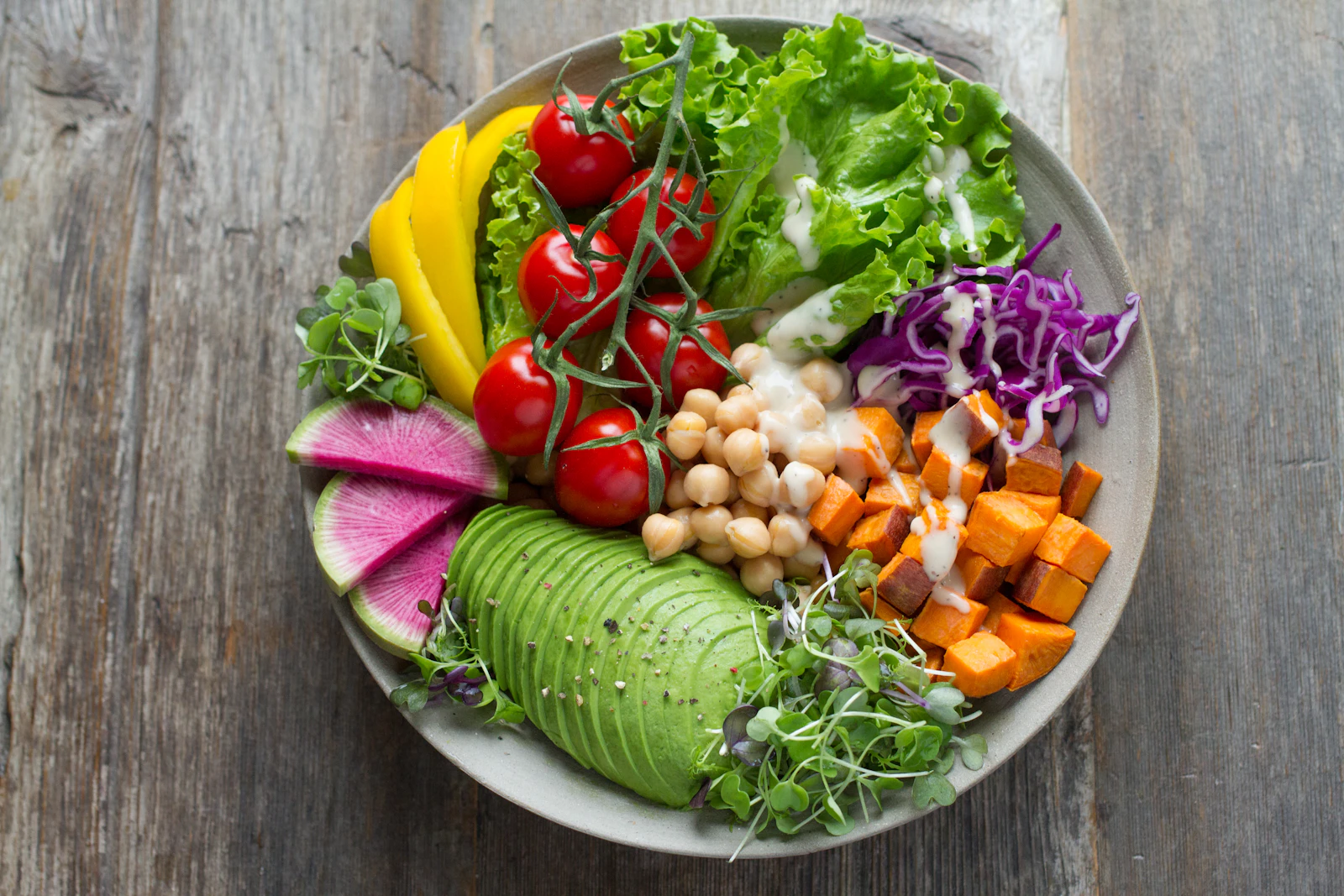
A short walk after eating blunts the blood-sugar spike for many people. It is no miracle, but it is easy to keep up.
For practical handles to keep your blood sugar steadier, read lowering blood sugar. Treat a food change as an experiment you measure, not a diet regime.
Insulin resistance in athletes
You would think that people who train a lot never get insulin resistance. Yet it can happen in athletes too, for example with lots of stress, little sleep or a phase of hard dieting. Training protects, but it is no guarantee.
The good news is that with training you hold a strong lever. Muscles take up sugar, partly independent of insulin, and more muscle mass increases your storage space for glucose. Strength and interval training often improve your sensitivity noticeably.
For anyone who takes performance and recovery seriously, this is exactly the kind of value to track. Steady sugar handling helps your energy through the day and your recovery after a hard session.
A real example: a keen crossfitter who sleeps badly and drinks a lot of coffee can have a raised fasting insulin despite his fitness. Without measuring, that stays invisible.
Insulin resistance and weight loss
Weight loss and insulin resistance are linked, but not always the way you expect. High insulin makes it harder to burn fat, while weight loss improves your sensitivity. So it can become a vicious circle that you break with measuring and targeted steps.
Why weight loss sometimes fails despite your effort, and which values play a role, is in weight loss and your blood values.
Frequently asked questions
What is better to avoid eating with insulin resistance? There is no banned list, but many people notice that soft drinks, fruit juice, sweets and lots of refined carbs give the biggest spikes. Fibre-rich carbs, vegetables, protein and healthy fats often give a calmer curve.
Which organs are sensitive to insulin resistance? Mainly your muscles, liver and fat tissue. Your muscles normally take up a lot of sugar, so when they become less sensitive, your blood sugar rises faster. Your liver plays a part because it makes sugar itself.
How fast can you reverse insulin resistance? It varies a lot per person. Some people see improvement in their fasting insulin within a few months, others need longer. A repeat measurement after three to six months gives you an honest picture.
Can you have insulin resistance at a normal weight? Yes. Lean people can be less sensitive too, especially with a lot of visceral fat or little muscle. So your weight alone does not say everything.
Is insulin resistance the same as diabetes? No. Insulin resistance is an early stage where your blood sugar is often still normal. If it lasts a long time, it can move toward prediabetes and type 2 diabetes, but it does not have to get there.
Can intense exercise temporarily affect your values? Yes. A hard workout just before the measurement can briefly change your glucose and insulin. So test rested and fasted where possible.
Why you want to know this early
Because insulin rises years before glucose, that early phase is the interesting window. If you care about performance, recovery and ageing well, you want to know how your sugar handling works before a label appears. Data gets you there sooner than symptoms.
Insulin resistance links to other metabolic values, from your blood lipids to your blood pressure. The overview is in measuring metabolic health.
See insulin resistance not as a scare, but as early information. The sooner you know where you stand, the more room you have to do something about it. And if your values are good, that is also reassuring to have in black and white.
My advice: do not let a normal glucose reassure you on its own. If you want a starting point, ask for fasting insulin and HOMA-IR too, and discuss a raised result with your GP.
References
- Matthews DR, Hosker JP, Rudenski AS, et al. Homeostasis model assessment: insulin resistance and beta-cell function from fasting plasma glucose and insulin concentrations in man. Diabetologia. 1985. PMID: 3899825.
- Knowler WC, Barrett-Connor E, Fowler SE, et al. Reduction in the incidence of type 2 diabetes with lifestyle intervention or metformin. New England Journal of Medicine. 2002. PMID: 11832527.
- Tabak AG, Herder C, Rathmann W, et al. Prediabetes: a high-risk state for diabetes development. The Lancet. 2012. PMID: 22683128.
- Selvin E, Steffes MW, Zhu H, et al. Glycated hemoglobin, diabetes, and cardiovascular risk in nondiabetic adults. New England Journal of Medicine. 2010. PMID: 20200384.
- Thuisarts.nl. I have a raised blood sugar (prediabetes). Accessed 2026.
Disclaimer
Every blood test result includes a professional assessment from a BIG-registered doctor. This article gives general information and is not a substitute for medical advice. A blood test is a tool to walk into the conversation with your GP better informed, not a diagnosis in itself. For treatment decisions, discuss your results with your GP.
Author
Enhanced Health
Dr. Naimi, BIG-registered physician, oversees the medical standards behind our content and assessments. Read our medical policy
Related Tests
Related Posts
Testing for insulin resistance: which blood values and how
Lowering blood sugar: what lifestyle does and what to measure