InsideTracker Recovery
A 10-biomarker recovery panel inspired by InsideTracker's Recovery category — muscle enzymes, liver values, electrolytes, magnesium and vitamin D behind your recovery score.
Creatine kinase (CK) is an enzyme found primarily in the heart, brain, and skeletal muscles. When muscles are damaged or stressed, CK is released into the bloodstream, making it a useful marker of muscle health.
Doctor's Assessment Included
See the value that applies to you:
Choose male or female — this range differs by sex.
Enter your age — this range changes with age.
This range also depends on context such as cycle phase or sample material; the highlighted rows apply to your group.
Reference ranges may vary between laboratories. When you order a test, a BIG-registered doctor assesses your personal results in context. For treatment decisions, discuss your results with your GP.
Check your own valueThis test measures the level of creatine kinase (CK) in your blood. Elevated CK levels indicate that muscle tissue has been damaged or is under significant stress, whether from physical exertion, injury, or an underlying condition.
CK is a reliable indicator of muscle damage. While elevated levels can follow intense exercise, persistently high levels may indicate conditions such as rhabdomyolysis, myocarditis, or muscular dystrophy. Monitoring CK helps distinguish normal post-exercise elevation from clinically significant muscle injury.
No hard training beforehand
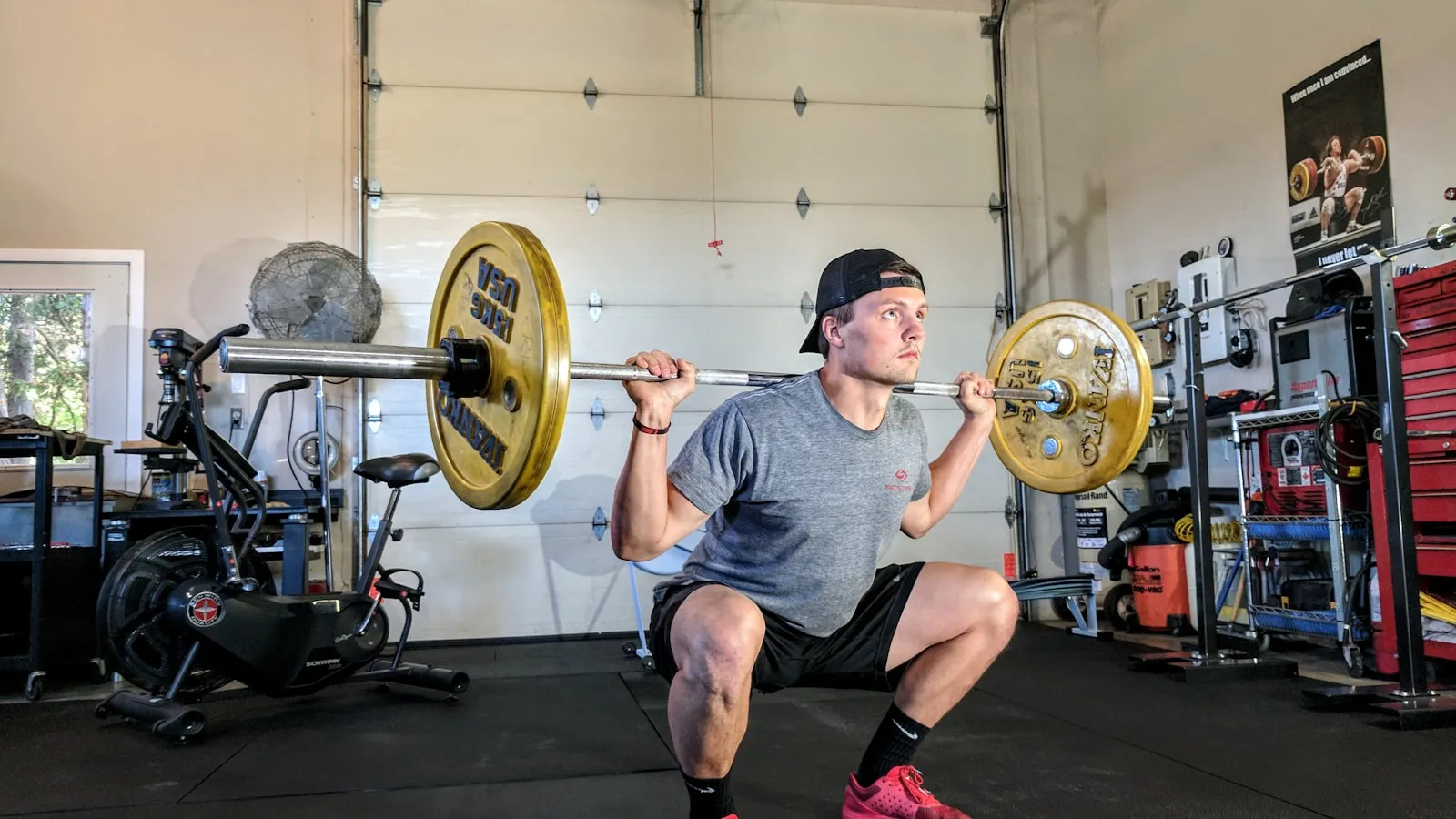
RequiredNo heavy training, long endurance sessions or anything that leaves you out of breath in the 72 hours before the draw. Normal walking is fine.
Testing may be recommended if you experience unexplained muscle pain, weakness, or dark-coloured urine. CK is also tested after significant physical trauma, during evaluation of chest pain, or to monitor individuals taking medications that can affect muscles (such as statins).
Low CK levels are generally not a clinical concern. They may be associated with low muscle mass or a very sedentary lifestyle. In rare cases, very low levels can be seen in certain liver conditions. Consult a healthcare professional for interpretation of results.
Elevated CK levels may indicate muscle injury from intense exercise, trauma, or conditions such as rhabdomyolysis. Persistently high levels may be associated with myocardial infarction, myositis, muscular dystrophy, or medication side effects. Consult a healthcare professional for interpretation of results.
Allow adequate rest and recovery between intense workouts. Stay well hydrated, especially during and after vigorous exercise. If you are taking statins and experience persistent muscle pain, discuss CK monitoring with your healthcare professional. Gradual increase in exercise intensity can help reduce the risk of excessive muscle damage.
Yes, intense or unaccustomed exercise is one of the most common causes of temporarily elevated CK levels. Levels typically return to the reference range within a few days of rest. Persistent elevation without recent exercise warrants further evaluation.
Your healthcare professional may advise you to avoid strenuous exercise for 24 to 48 hours before the test to obtain a baseline reading. Always follow the specific instructions provided to you.
Rhabdomyolysis is a serious condition where damaged muscle tissue breaks down rapidly, releasing CK and other substances into the blood. It can lead to kidney damage. Symptoms include severe muscle pain, weakness, and dark-coloured urine. Seek medical attention immediately if you suspect rhabdomyolysis.
This marker is included in the following test panels.
A 10-biomarker recovery panel inspired by InsideTracker's Recovery category — muscle enzymes, liver values, electrolytes, magnesium and vitamin D behind your recovery score.
A 35-biomarker performance and longevity panel inspired by InsideTracker Ultimate — covering heart, hormones, metabolism, inflammation, recovery and iron status.
A 51-biomarker performance panel inspired by the WHOOP Performance Health Panel — recovery, blood production, thyroid, hormones, iron and nutrient status for people who train.
Medical reviewer
Dr. Naimi oversees the medical standards behind our content and assessments.
Medical policyDoctor's Assessment Included
Every result includes a professional assessment from a BIG-registered doctor. For treatment decisions, discuss your results with your GP.
Creatine Kinase (CK)
€10,-