Liver values are blood values that show how hard your liver works and whether liver cells are getting damaged. The four you see most often are ALT (ALAT), AST (ASAT), gamma-GT (GGT) and bilirubin. In athletes a single raised value can be far more innocent than you think, because hard training lifts some of these values temporarily.
I think liver values are among the most misread blood values in keen athletes. A raised AST after a heavy leg session is something very different from a structurally high GGT.
What are liver values?
Liver values are enzymes and breakdown products your liver releases into your blood. Measure them and you get a sense of how your liver cells and bile ducts are doing. No single value is a diagnosis, together they are a snapshot.
The main enzymes are ALT and AST, also called the transaminases. ALT sits mostly in your liver, while AST also occurs in your muscles and heart. That difference is exactly why athletes can misread them.
Gamma-GT and alkaline phosphatase (ALP) say more about your bile ducts and about outside triggers like alcohol and certain substances. Bilirubin is a breakdown product of red blood cells that your liver normally clears.
For the full overview of your blood values as an athlete, see our complete biomarker guide for athletes. This page zooms in on the liver.
What does each liver value mean?
Each liver value tells you something slightly different. Together they form a picture, but it helps to know roughly what each marker does.
ALT (ALAT) sits mostly in your liver cells. A persistently high ALT therefore points fairly precisely toward your liver, apart from your training.
AST (ASAT) sits in your liver, but also in your muscles and heart. So a hard training session can lift the value temporarily without your liver having any issue.
Gamma-GT (GGT) responds to your bile ducts and to outside triggers like alcohol and some substances. It is sensitive, but not very specific.
Bilirubin is a breakdown product of red blood cells that your liver normally clears. A mildly raised bilirubin is sometimes harmless, for example with Gilbert's syndrome.
Alkaline phosphatase (ALP) sits in your bile ducts and in your bone. In young, active people, bone turnover can lift the value a little, so read this one in context too.
Fat in the liver as a common cause
In the Netherlands, fat in the liver, also called fatty liver, is one of the most common reasons for mildly raised liver values. It often goes together with excess weight, little movement and lots of fast sugars.
What is striking is that fatty liver is often manageable in an early stage. More movement, fewer fast sugars and some weight loss can improve the values for many people. According to Thuisarts.nl, fatty liver is a common explanation for abnormal liver tests.
For the athlete, that is good news. Lifestyle is exactly the lever you can turn yourself.
Liver values and alcohol
Alcohol clearly presses on your liver values, especially your GGT and sometimes your ALT. A few heavy weekends can lift your values temporarily, even if you live healthily otherwise.
The good news is that this load is often reversible. Drinking less brings GGT back down within a few weeks for many people. How alcohol affects your wider recovery and blood picture is in alcohol and your blood values.
Liver values and your kidneys
The liver and organs category is about more than just your liver. A broad panel often also includes kidney values like creatinine and eGFR. For strength athletes that is handy, because creatinine can come out higher with a lot of muscle mass without your kidneys working less.
How to read that is in high creatinine from muscle mass. Our 360 Health test contains both liver and kidney values.
How often do liver values change?
Liver values are not fixed numbers. They fluctuate with your training, your alcohol, your weight and the substances or medication you use. So a single measurement is a snapshot.
That is why a trend says more than a single number. If you see a value drop or rise across several measurements, that is more informative than a one-off outlier. Some people choose to measure again now and then to follow that trend.
When is it a reason to look further?
A single, mildly raised value is rarely a problem. More concerning is a value that is sharply raised, that is still high after weeks of rest, or that goes together with complaints like persistent fatigue or jaundice.
A combination of several deviating liver values also weighs more than an isolated outlier. In those cases it is wise to discuss your result with your GP, who can decide whether extra testing such as an ultrasound is needed.
See your result not as a verdict, but as a starting point. Measuring gives you information, and with that information you make a better choice together with your GP.
Which liver values are dangerous and how high is too high?
A mildly raised liver value is usually no alarm, a sharply raised one is a reason to look further. What counts as normal differs per lab, per method and per person. So you always read a result in the context of your whole picture and your situation.
According to Thuisarts.nl, liver values can be a bit raised for many reasons, from fat in the liver to medication or alcohol. A single mild deviation does not always mean something is wrong.
Roughly: the further above the upper limit and the longer it lasts, the more reason to take it seriously. A value twice the upper limit that is still high after weeks calls for an explanation from your GP.
So never read a number in isolation. A spike after a marathon reads differently than the same spike in someone who drinks a lot or uses a liver-loading substance.
What can cause high liver values?
Raised liver values rarely have a single cause. Often lifestyle, training, food, alcohol, medication and sometimes a liver condition work together. For the active, keen athlete a few causes are extra relevant.
This table lines up the four most-measured liver values. Use it as a reading guide, not a diagnosis.
| Marker | What it mainly measures | What athletes watch for |
|---|---|---|
| ALT (ALAT) | Liver cells, fairly liver-specific | Stays high apart from training, then it weighs more |
| AST (ASAT) | Liver cells, but also muscle and heart | Can rise after heavy or unusual training |
| Gamma-GT (GGT) | Bile ducts, sensitive to alcohol and substances | Alcohol, oral substances and some supplements |
| Bilirubin | Breakdown of red blood cells | Mildly raised can be harmless (Gilbert) |
| ALP (alkaline phosphatase) | Bile ducts and bone | Rises with bone turnover, so context matters |
Fat in the liver is a common reason for mildly raised values in the Netherlands. Alcohol also presses on your GGT and ALT, something we explore further in alcohol and your blood values.
If you specifically want to know what a raised result can mean and which symptoms fit, read elevated liver values: causes and symptoms.
Can hard training raise your liver values?
Yes, and this is the part athletes miss most. Heavy or unusual strength training can lift your AST temporarily, because AST also comes from muscle tissue. Your liver is fine, your muscles simply worked hard.
A handy clue is your CK value, a muscle enzyme. If your AST and CK rise together while your ALT stays calm, that often points to muscle rather than liver. What that pattern looks like is in spotting overtraining through your blood values.
The same plays out with creatinine, which can come out higher with a lot of muscle mass without your kidneys working less. We explain that in high creatinine from muscle mass.
My advice with these values: do not test right after a hard session. Let your muscles rest a few days before you measure, and you read your liver more honestly.
Liver values, supplements and substances
Your liver processes just about everything you swallow or inject. Some oral substances, prohormones and high-dose supplements can push your liver values up. The Dopingautoriteit lists liver dysfunction as one of the possible side effects of anabolic substances.
Apart from doping, a stack of pre-workouts, herbal extracts or high doses of certain supplements can irritate your liver. The RIVM points out that the safety of some sports supplements is not always well established.
If you consciously push your limits, this is exactly the kind of value you want to keep in view. What is at play and which blood values are then relevant is covered separately in liver values, supplements and oral substances in athletes.
How do you get your liver values tested?
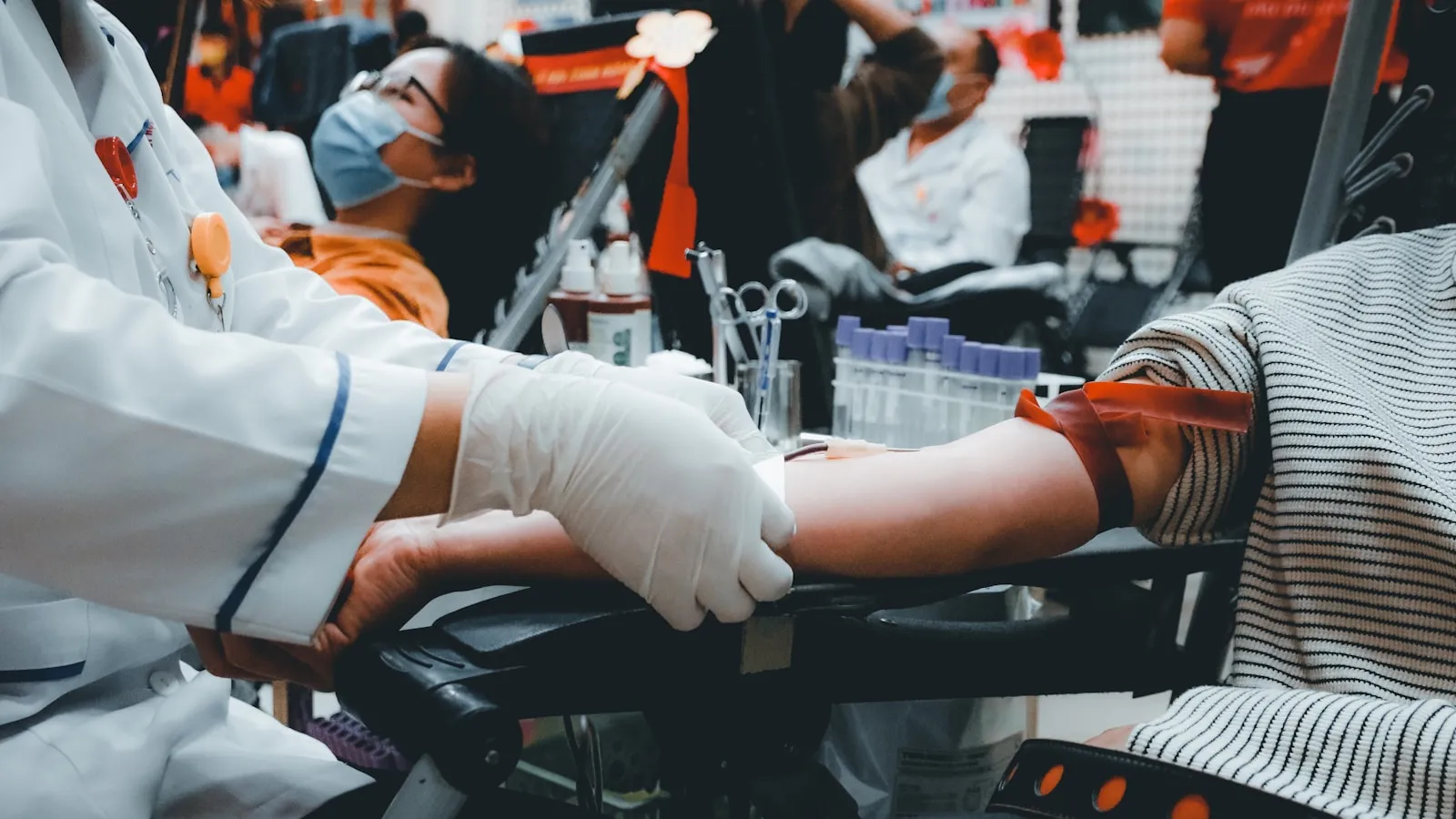
Liver values sit in almost every broad blood panel. You usually do not need to fast, though a few days without alcohol and without hard training is wise if you want a clean baseline. That way you measure your liver, not your last night out or your leg day.
Our 360 Health test includes a liver-function panel with ALT, AST and GGT among others. Some people choose this to set a baseline and measure again later. How such a test works is in liver function testing.
If you only want to zoom in on your bile ducts and alcohol load, high gamma-GT is a good next step. For the transaminases themselves, read high ALT and AST.
What if your liver values are raised?
A one-off raised value is usually no reason to panic. A repeat measurement after a few weeks of rest, without alcohol and without hard training, often says a lot more. If the value stays high, that belongs with your GP.
Your GP can decide whether further steps are needed, for example an ultrasound or extra blood work. So see your blood result as a starting point for that conversation, not a final verdict.
What you can do in the meantime is look honestly at your alcohol, your substances and your supplements. Those are often the levers you can turn yourself.
Frequently asked questions
Which liver values are dangerous? There is no fixed number. Roughly, strongly raised transaminases that persist need more attention than a mild, one-off deviation. What applies to you, you discuss with your GP.
How high can your liver values be? Every lab uses its own reference values. So read your result against the limits on your own lab sheet, not against a number from the internet.
Can liver values recover? Often yes. With causes like alcohol, a liver-loading substance or fat in the liver, values can drop once the cause falls away. How fast varies a lot per person.
Can hard training raise your liver values? Yes. AST in particular can briefly rise after intensive training, because it also comes from muscle. So test rested where possible.
What are the symptoms of raised liver values? Often none. Sometimes fatigue, a full feeling in the upper right belly or itching. Complaints are not proof, at most a reason to look.
Which supplements can raise liver values? High-dose or unknown supplements and some herbal extracts can irritate the liver. If in doubt, discuss your use with your GP.
Why you want to know this as an athlete
Your liver is quiet. It rarely complains, even when it is busy. That is exactly why measuring is valuable, because you see something you do not feel.
For anyone who trains seriously, eats a lot of protein and occasionally pushes their limits, a liver panel is a level-headed check. Not a scare, but information you can choose smarter with.
My advice: do not let a single spike rattle you, but do not ignore a persistently high value either. Measure rested, look at the pattern, and discuss a raised result with your GP.
References
- Thuisarts.nl. The liver tests in my blood are not good. Accessed 2026.
- Dopingautoriteit. Anabolic substances. Accessed 2026.
- RIVM. Use and safety of doping and sports nutrition supplements. Accessed 2026.
Disclaimer
Every blood test result includes a professional assessment from a BIG-registered doctor. This article gives general information and is not a substitute for medical advice. A blood test is a tool to walk into the conversation with your GP better informed, not a diagnosis in itself. For treatment decisions, discuss your results with your GP.
Autor
Enhanced Health
Dr. Naimi, lekarz wpisany do holenderskiego rejestru BIG, nadzoruje standardy medyczne naszych treści i ocen. Przeczytaj naszą politykę medyczną