Elevated liver values means one or more liver enzymes, such as ALT, AST or GGT, come out above the reference value. Often you notice nothing, because your liver rarely gives early complaints. The cause ranges from fat in the liver to alcohol, medication, hard training or substances.
I find this the hardest category to stay calm about: you feel nothing, and yet there is an abnormal number. That is exactly when it helps to line up the possible causes.
What are elevated liver values?
Your liver values are elevated when they come out above your lab's upper limit. That can be mild, just above the limit, or sharp. The higher and the longer it lasts, the more reason to look further.
Which value is raised already gives a hint. An isolated GGT often points to alcohol or substances, while a high ALT points more precisely toward your liver cells. We explain that distinction in the pillar liver values explained.
For the transaminases separately, read high ALT and AST, and for the bile-duct marker high gamma-GT.
What can cause elevated liver values?
There is rarely a single cause. Usually lifestyle, food and sometimes a condition work together. According to Thuisarts.nl, fatty liver, alcohol and medication are common reasons for abnormal liver tests.
This table lines up the most common causes, with what often goes with them.
| Possible cause | What you often see | What to watch for |
|---|---|---|
| Fat in the liver | Mildly raised ALT and GGT | Weight, sugar, lifestyle |
| Alcohol | Mainly GGT up | Amount and frequency |
| Hard training | AST up, ALT calm | Check CK, test rested |
| Substances and supplements | Variable picture | Oral substances, high doses |
| Medication | Variable picture | Discuss with your GP |
For the active athlete, training and substances are extra relevant. Hard training lifts AST temporarily, which you recognise by a simultaneously high CK, as in spotting overtraining. Substances come back separately in liver values and substances.
What are the symptoms of elevated liver values?
Usually none. Your liver rarely complains early, and many people discover a deviation by chance. If there are complaints, people sometimes report fatigue, a full or pressing feeling in the upper right belly, or itching.
Such complaints are not proof. They also fit stress, poor sleep or a busy period. So a symptom on its own says little and the context counts.
If you notice persistent fatigue, other blood values often play a role too. A broader picture is in our biomarker guide for athletes.
Are elevated liver values dangerous?
A mild, one-off rise is often harmless. A sharp or persistent rise needs more attention. The difference lies in the height, the duration and whether several values deviate at once.
The Dopingautoriteit lists liver dysfunction as a possible side effect of anabolic substances, and the RIVM raises questions about the safety of some supplements. If you use such substances, weigh that in.
What can you do about elevated liver values?
Start with the levers you hold yourself: alcohol, substances and heavy supplements. Take a few days of rest from intensive training and repeat the measurement afterwards. You often see a clearer picture then.
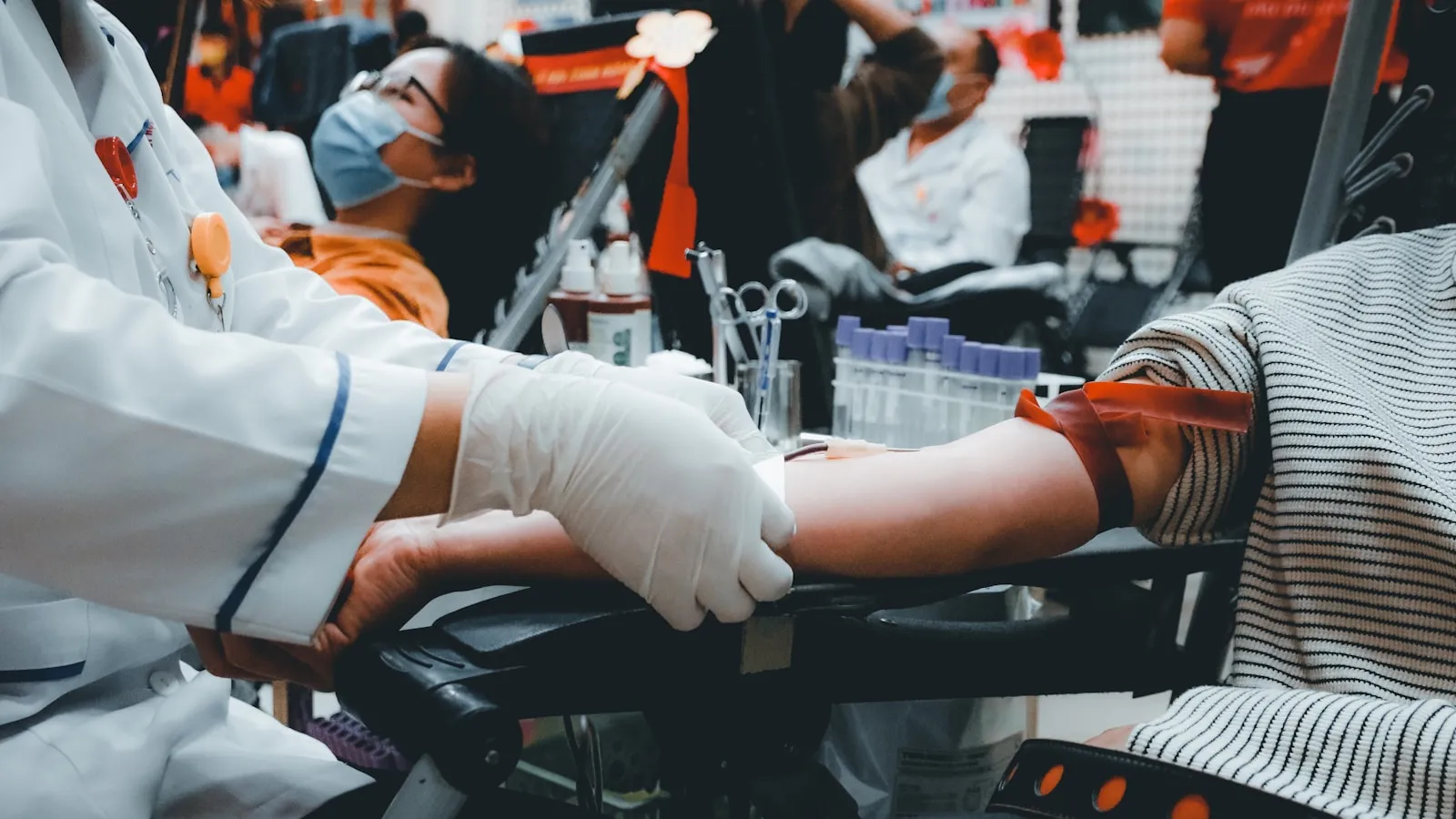
You can have your liver values drawn with the 360 Health test and look again after a few months. How such a test works is in liver function testing.
If the value stays high, that belongs with your GP. They can decide whether an ultrasound or extra testing is needed. See your result as a starting point for that conversation.
Frequently asked questions
Are elevated liver values dangerous? A mild, one-off rise often is not. Sharp or persistent rises you discuss with your GP.
How long does it take for liver values to recover? It varies a lot. With causes like alcohol or training, values can drop within weeks once the cause falls away.
Can liver values recover on their own? With a temporary trigger, often yes. A repeat measurement after rest shows whether it is heading the right way.
What is better to avoid eating with elevated liver values? There is no banned list. Many people watch their alcohol and heavy sugar. Discuss food for persistent deviations with your GP.
Conclusion
Elevated liver values are mainly an invitation to look, not an immediate alarm. See which value deviates, repeat after rest and weigh in your alcohol, substances and supplements.
My advice: do not panic over a single deviation, but do not ignore a persistently high value either. Discuss it with your GP.
References
- Thuisarts.nl. The liver tests in my blood are not good. Accessed 2026.
- Dopingautoriteit. Anabolic substances. Accessed 2026.
- RIVM. Use and safety of doping and sports nutrition supplements. Accessed 2026.
Disclaimer
Every blood test result includes a professional assessment from a BIG-registered doctor. This article gives general information and is not a substitute for medical advice. For treatment decisions, discuss your results with your GP.
Author
Enhanced Health
Dr. Naimi, BIG-registered physician, oversees the medical standards behind our content and assessments. Read our medical policy