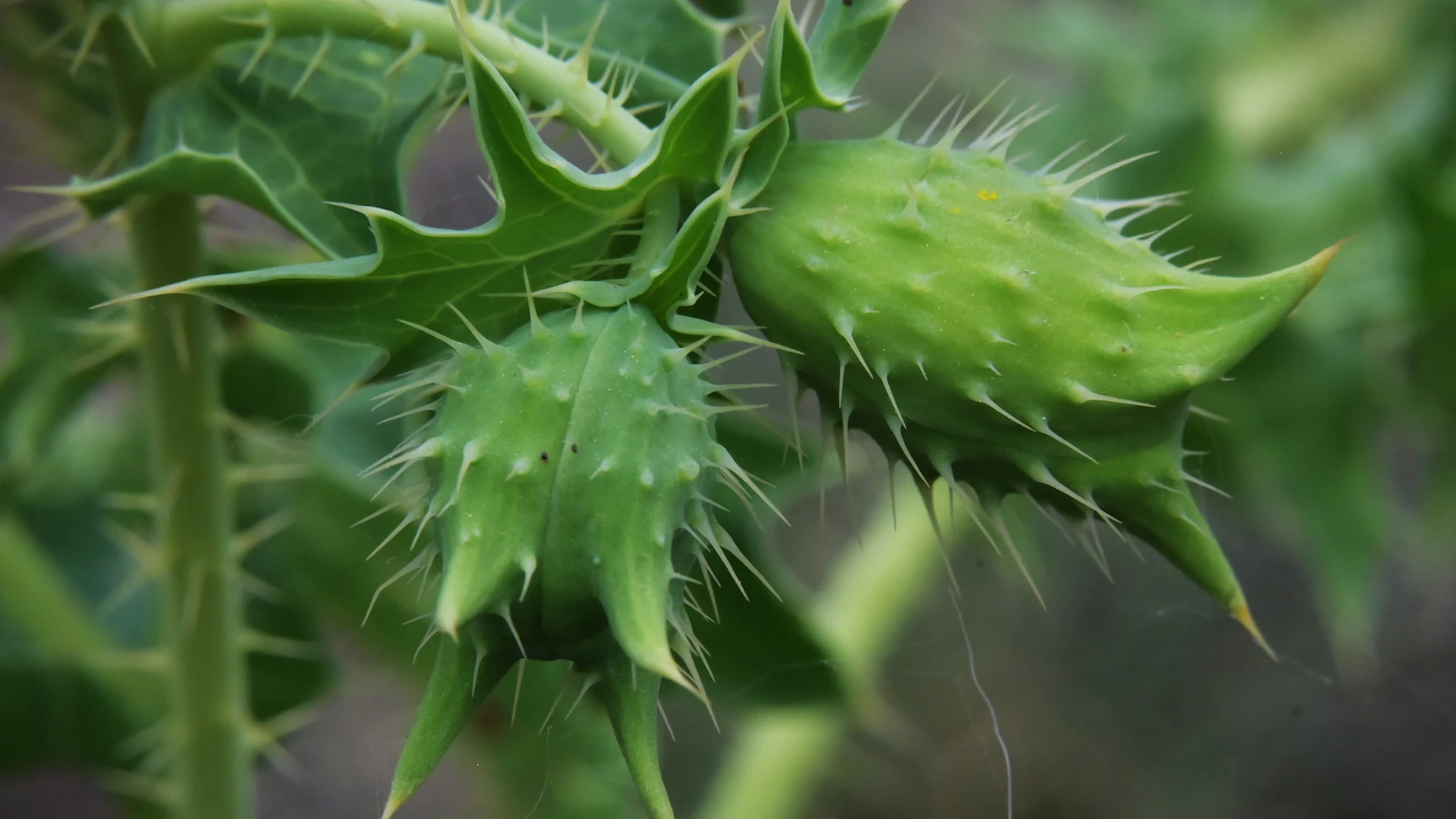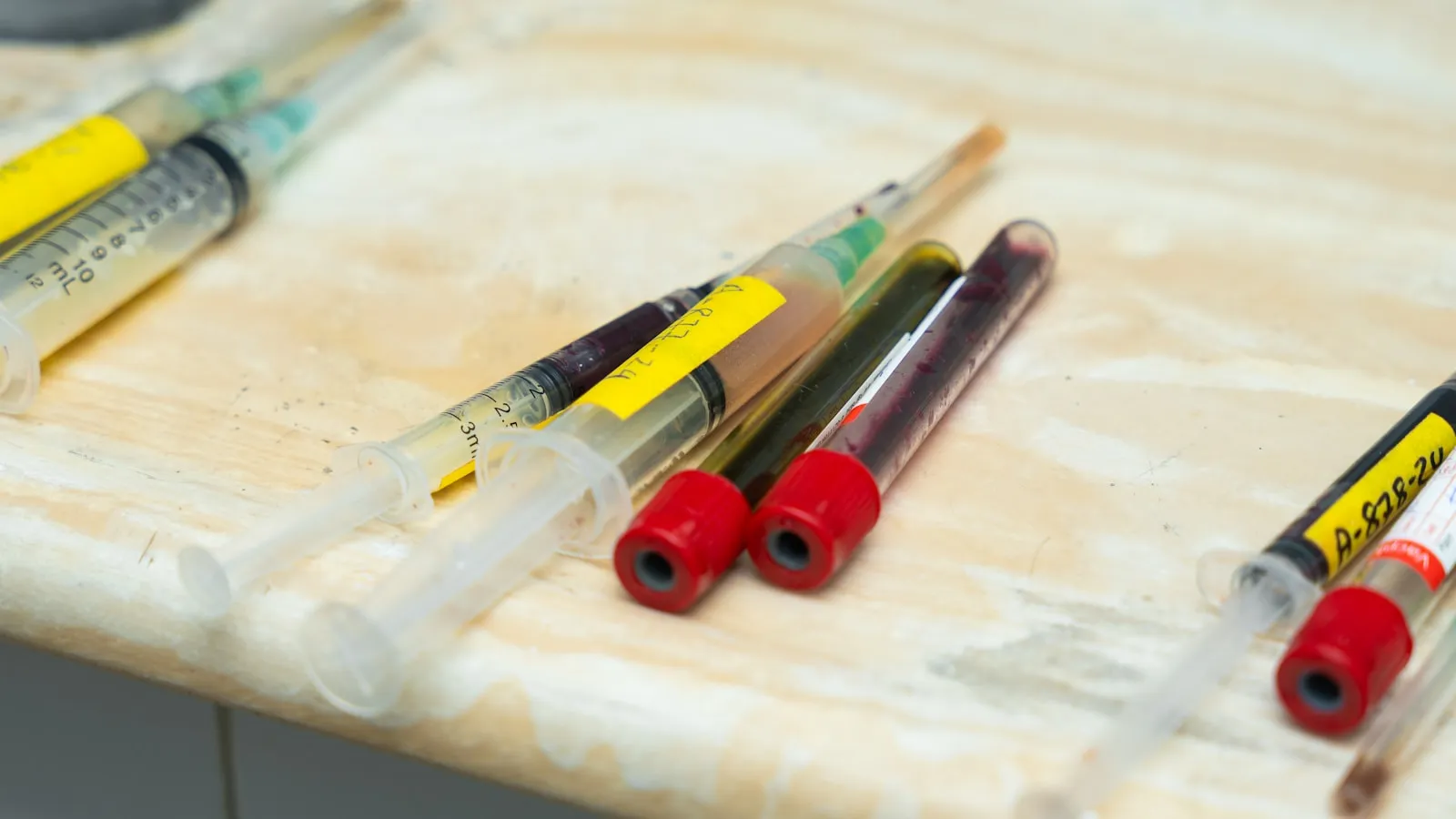
The most reported side effects of ashwagandha are stomach upset, nausea, drowsiness and diarrhoea. Rare but serious is liver injury, which is why the Dutch institute RIVM has advised against use since 5 March 2024. On your report, ALT and AST are the values that would show it first.
What bothers me here: most Dutch pages about side effects are written by parties that also sell the stuff. RIVM and Lareb hold positions 1 and 2, and below them the web shop begins.
What are the downsides of ashwagandha?
The mild side effects are the common ones and usually pass on their own. They include stomach upset, nausea, daytime drowsiness and sometimes diarrhoea. In the clinical trials these were described as mild, and they occurred about as often in the placebo group (Chandrasekhar, 2012).
That is an honest detail you rarely read. It means those mild complaints could not clearly be pinned on the supplement.
The serious side effect sits apart from that. It only came into view once millions of people started taking it.
Is ashwagandha dangerous for your liver?
In rare cases, liver injury has been reported after ashwagandha use. LiverTox describes a cholestatic or mixed pattern, usually two to twelve weeks after starting, with jaundice and itching as the first visible signs. The largest published series comes from India and covered people using it as a single-ingredient product (Philips, 2023).
In that same series, some patients developed liver failure on top of existing liver disease.
Set that against the scale on which this is taken and it stays rare. Even so, this is exactly what RIVM based its advice on: reports from doctors about poisonings, including harmful effects in the liver.
Which blood values would show it?
Early liver injury has no feel to it. There is no pain, and turning yellow comes late in the story. The values move before you notice anything, which is precisely what they exist for.
| Value | What it measures | When it stands out |
|---|---|---|
| ALT | Enzyme mostly from liver cells | Rises early when liver cells are damaged |
| AST | Enzyme from liver and muscle | Also rises after heavy training |
| Gamma-GT | Enzyme from the bile ducts | Often raised in a cholestatic pattern |
| Alkaline phosphatase | Enzyme from bile ducts and bone | Fits the same cholestatic pattern |
| Bilirubin | Breakdown product of red blood cells | Raised once you look yellow |
Say you take it for 6 weeks and your AST comes back at 70 U/L. The first question is not which supplement you used, but whether you trained heavily in the days before.
Look at the second row. A raised AST in an athlete is not automatically your liver.
Resistance training lifts that number too. That distinction is explained in liver values and supplements in athletes. ALT is the more liver-specific of the two.
What should you not take with ashwagandha?
The combinations flagged most often are thyroid medication, sedatives and sleep aids, and drugs that suppress the immune system. For thyroid medication the reason is concrete. In a trial in subclinical hypothyroidism, TSH, T3 and T4 all changed significantly (Sharma, 2018).
You are then stacking two things that touch the same dial.
With sleep aids and sedatives it is mostly about added drowsiness. If you take medication, check with your GP or pharmacist. They see your whole medication list; a blog does not.
What should you watch for?
RIVM singles out pregnancy, because in some countries the root was historically used to induce abortion. Beyond that, three signals are worth contacting your GP about: yellowing of your skin or the whites of your eyes, dark urine, and persistent itching without a rash.
Those three belong to the pattern that keeps recurring in the case reports.
Fatigue and nausea belong there too, but they are so general that on their own they say little.
What users report themselves
Alongside the trial complaints, user reports keep raising something the studies do not measure: a flat or blunted feeling. People describe feeling less stress, but also less of everything else. That is not a measured outcome and appears in no trial.
What people report more broadly, and how it compares with the measurements, is in ashwagandha reviews.
What you can check yourself
My line stays the same as in the ashwagandha overview. RIVM advises against this, and that is the starting point for any weighing up.
If you use it anyway, a baseline measurement at least tells you where you started. ALT and AST sit in almost every basic blood panel.
If something comes back off, discuss it with your GP. Mention the brand and the dose you use, because that saves a lot of digging.
Every blood test result includes a professional assessment from a BIG-registered doctor. For treatment decisions, discuss your results with your GP.
References
- RIVM. Advice on products containing Huperzia serrata, Tabernanthe iboga or ashwagandha. 5 March 2024.
- Chandrasekhar K, Kapoor J, Anishetty S. Indian J Psychol Med. 2012 (PMID 23439798).
- Sharma AK, Basu I, Singh S. J Altern Complement Med. 2018 (PMID 28829155).
- Philips CA, Valsan A, Theruvath AH, et al. Hepatol Commun. 2023 (PMID 37756041).
- LiverTox. Ashwagandha. NCBI Bookshelf, NBK548536.
Autor
Enhanced Health
Dr. Naimi, lekarz wpisany do holenderskiego rejestru BIG, nadzoruje standardy medyczne naszych treści i ocen. Przeczytaj naszą politykę medyczną
Powiązane badania
Powiązane artykuły
ZMA supplement: what zinc, magnesium and B6 do to your testosterone
Tongkat ali side effects: banned in the Netherlands, and why