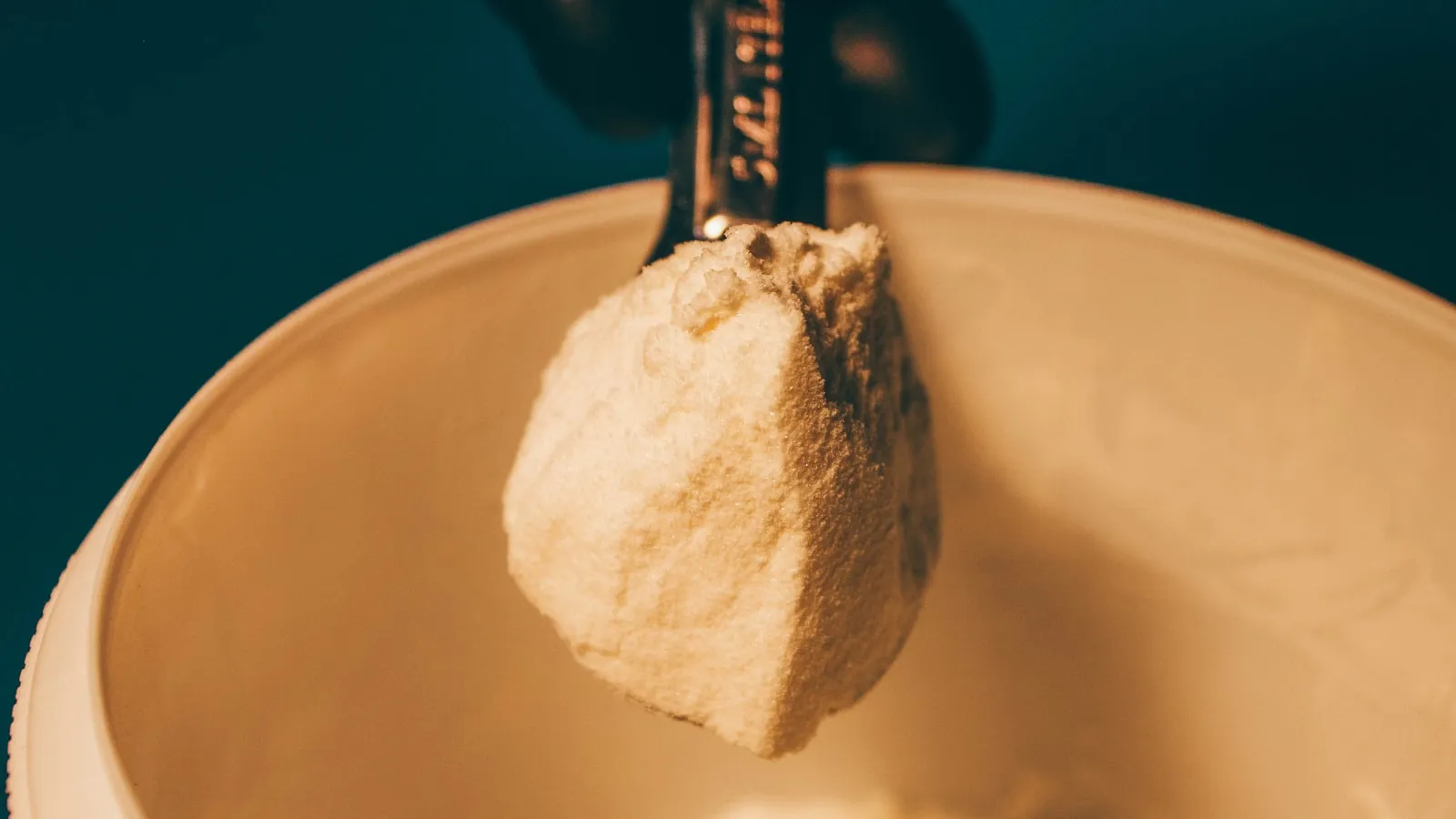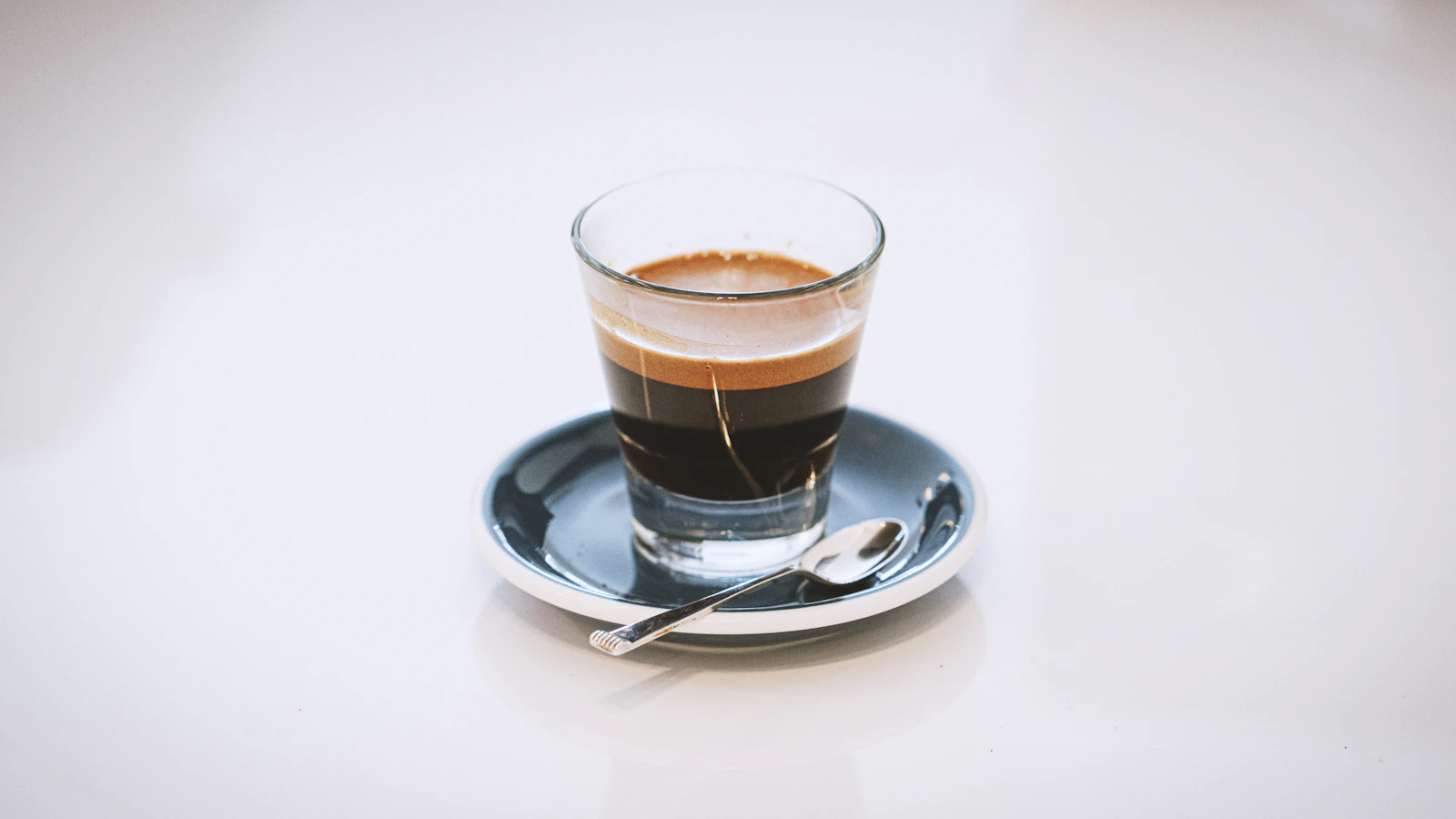
Caffeine and exercise pair well: a dose of 3 to 6 mg of caffeine per kg of body weight, 30 to 60 minutes before your workout, can measurably improve your strength, endurance and focus. That makes caffeine one of the most researched pre-workout ingredients around.
I think a lot of athletes spend too much on pricey pre-workouts and think too little about timing. The caffeine does the work, the rest of the can usually does not.
The basics are simple: the right dose, at the right time, without wrecking your sleep.
Caffeine and exercise: does it really help your performance?
Yes, caffeine is one of the most studied performance aids. It can improve your strength, your endurance and your focus during a workout, and it lowers your sense of fatigue. The effect varies per person and per sport, so do not count on a fixed gain for everyone.
Caffeine blocks adenosine, a compound that makes you sleepy. That makes a heavy set or a long run feel less hard. The gain is clearest in endurance work and in tasks that need sharpness.
For pure maximal strength the effect is smaller, but often still there. Expect a small push, not a miracle.
In practice I see caffeine help most on hard days. Tired or short on sleep, a coffee often lifts your session over the line. On a fresh day you notice it less.
How much caffeine should you take? Dosing per kilogram
For performance the common range is 3 to 6 mg of caffeine per kg of body weight. For a 75 kg athlete that is 225 to 450 mg. Start low and build up slowly, because more is not better, and above 3 mg per kg the side effects climb faster than the gains.
The European food authority EFSA considers 400 mg of caffeine per day safe for healthy adults, and a single dose up to about 3 mg per kg of body weight. For pregnant women the limit is 200 mg per day. According to the Voedingscentrum, one cup of coffee holds about 60 mg of caffeine, so count your coffee in your total.
| Body weight | Dose at 3 mg/kg | Dose at 6 mg/kg |
|---|---|---|
| 60 kg | 180 mg | 360 mg |
| 75 kg | 225 mg | 450 mg |
| 90 kg | 270 mg | 540 mg |
Watch the right-hand column. At 6 mg per kg you pass the 400 mg daily limit from around 67 kg, while your coffee and tea still have to follow. In practice, stay closer to 3 mg per kg.
When should you take caffeine before training?
Take caffeine about 30 to 60 minutes before your workout, because that is when it peaks in your blood. The half-life averages about 5 hours, so half of it is still there when you go to bed. So count back from your bedtime, not just forward from your warm-up.
If you train in the evening, a big dose works against your sleep. Pick a lower dose then, or skip it.
How fast you clear caffeine varies a lot per person and depends partly on your genes. Test in a quiet week what feels right for you.
What is in pre-workout and what is nonsense?
Of the many pre-workout ingredients, mainly caffeine, citrulline and beta-alanine have reasonable support. Caffeine gives focus and less fatigue, citrulline may support blood flow, and beta-alanine may help with short, intense sets. Many proprietary blends and mega-doses lack good evidence, so you often pay for colour and flavour.
A proprietary blend hides how much of each ingredient it holds. Without those numbers you cannot know whether the dose does anything.
The RIVM warns that caffeine supplements can push you over the safe limit quickly, especially combined with coffee and energy drinks. Plain caffeine with maybe some citrulline often does the same job as a pricey can. If in doubt, check with your sports doctor or dietitian.
Caffeine, sleep and recovery: the downside
Too much or too late caffeine harms your sleep, and poor sleep slows your recovery and muscle growth. Caffeine can also raise your heart rate and resting pulse for a while. Treat a broken night or a persistently high resting pulse as a signal to adjust your intake or your timing.
You do not read recovery from how you feel after the coffee, but from the pattern over weeks. A broad blood panel and your resting pulse together say more than single readings.
To see how your lifestyle shows up in your blood, you can pick a broad panel such as our 360 Health blood test. Also read blood values for strength athletes and, for fluid balance around caffeine, electrolytes and hydration for athletes. For energy during training, carbs and training performance takes you further, and the bigger picture sits in our guide to nutrition for muscle growth.
My advice: use plain caffeine, dose at about 3 mg per kg and take it 45 minutes before your hardest session. Keep your total under 400 mg per day and limit caffeine after 3 pm. If in doubt, check with your sports doctor or dietitian, especially if your heart sometimes skips a beat.
References
- EFSA. Scientific Opinion on the safety of caffeine. 2015.
- Voedingscentrum. Cafeïne (Caffeine). 2024.
- RIVM. Risk assessment of caffeine in food supplements. 2020.
- Guest NS, VanDusseldorp TA, Nelson MT, et al. International Society of Sports Nutrition position stand: caffeine and exercise performance. Journal of the International Society of Sports Nutrition. 2021. PMID: 33388079.
Disclaimer
Every blood test result includes a professional assessment by a BIG-registered doctor. This article gives general information and is not a substitute for medical advice. A blood test is a tool to walk into the conversation with your GP better informed, not a diagnosis in itself. For treatment decisions, discuss your results with your GP.
Autor
Enhanced Health
Powiązane badania
Powiązane artykuły
Gut symptoms from stress: what cortisol does to your intestines
Lactose intolerance test: breath test, DNA or simply trying it out?