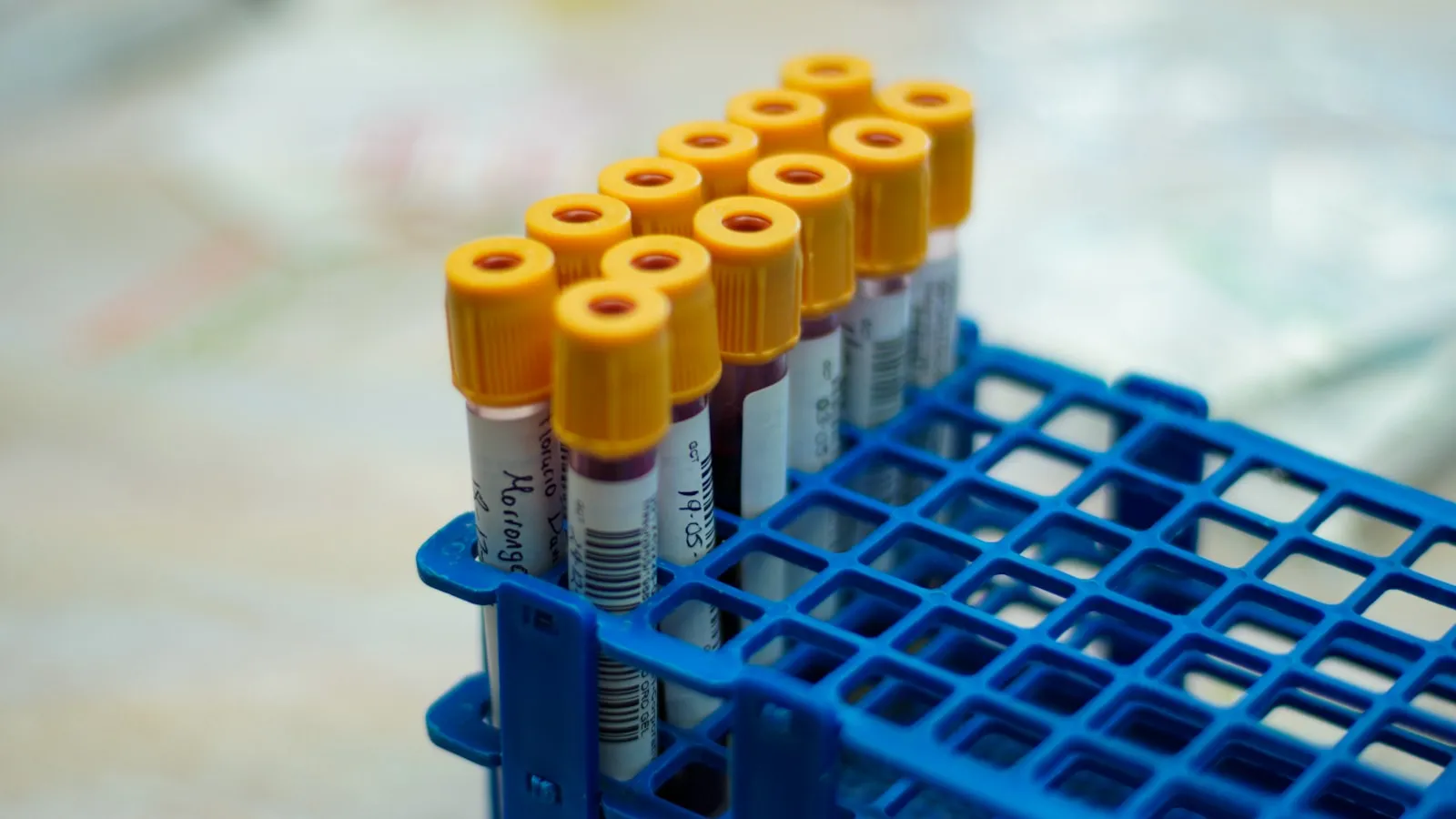
If you are tired despite training while your iron and B12 look fine, low folate is sometimes the missed link. Serum folate below about 7 nmol/l points to a deficiency, and that often goes together with a raised homocysteine. Both values rarely sit on a standard draw, so you miss them easily.
I notice athletes look mainly at iron and B12 when they are tired. That makes sense, since those two get the most attention. But folate works in the same system, and if it runs low you stay tired while your other values look reassuring.
In this piece you will read what folate and homocysteine do to your energy, and which values to check as an athlete.
Can a folate deficiency cause fatigue?
Yes, a folate deficiency can cause fatigue. Folate is needed to make red blood cells, and a deficiency often leads to anaemia that you feel as tiredness and heavy legs. According to the BSH guideline, serum folate below about 7 nmol/l counts as a clue for a deficiency (Devalia, 2014).
The deficiency creeps in. Your store drops slowly, and you only notice once your energy already dips.
Athletes carry particular risk. A strict diet, low vegetable intake or a heavy training period can pinch your intake without you noticing.
What is homocysteine and why does it matter for fatigue?
Homocysteine is an amino acid that your body converts back to a usable form with the help of folate and B12. If that system runs poorly, homocysteine builds up. A high homocysteine is therefore often a signal that your folate or B12 is falling short.
In a study of healthy adults, a higher homocysteine went together with lower folate and B12, and with more fatigue complaints (Chua, 2026). The link is not rock solid, but it makes homocysteine a useful extra check.
Think of homocysteine as a smoke alarm. It does not tell you where the fire is, but it warns you that your folate or B12 deserves attention.
For an athlete that is valuable. You catch a deficiency before it touches your recovery.
How do folate, B12 and homocysteine connect?
Folate and B12 work as a team. Together they bring homocysteine down, and if one of the two falls short homocysteine climbs. That is why you never read these three values in isolation, but always next to each other.
The table below shows which pattern fits which value. Use it to see what to check first.
| What you see | Check this blood value | What it can mean |
|---|---|---|
| Tired, low folate, normal B12 | Folate, homocysteine | Possible folate deficiency |
| Tired, tingling, low B12 | Vitamin B12, homocysteine | Possible B12 deficiency, read the B12 guide |
| High homocysteine, both vitamins normal | Kidney or lifestyle factors | Discuss with your GP |
| Tired, pale, low folate and B12 | Blood count, ferritin | Look at the broad picture |
A single value is a snapshot. You always read it next to your complaints and your training load.
Do you recognise it? Symptoms of low folate
Low folate usually shows as ongoing tiredness, less sharp concentration and sometimes a smooth, sore tongue. Because the complaints are so general, you quickly blame your training or your sleep. Measuring takes the guessing out.
Imagine you have trained at your normal level for weeks, but every session feels heavier. You sleep well and you eat cleanly, and still your energy fades.
That is exactly the pattern where folate and homocysteine are worth checking.
Do note: these complaints fit many causes. A low ferritin or a slow thyroid gives a similar picture, so look broadly.
Does taking folate help against fatigue?
Only if your folate is genuinely low. With a confirmed deficiency, supplementation can restore your values and your energy, but with a normal store extra folate adds little. A large meta-analysis showed that folate lowers homocysteine by about a quarter to a third in people with a raised starting value (Homocysteine Lowering Trialists, 1998).
The order matters. Do not take a high dose of folate before your B12 is checked, because folate can mask a B12 deficiency.
So discuss supplementation with your GP first. They can weigh your B12 and your folate together.
Which blood values do you check as an athlete?
For unexplained tiredness you check folate, vitamin B12 and homocysteine together, backed by your blood count and your ferritin. That way you see in one go whether your energy problem comes from this corner or somewhere else. Single draws miss the connection you need.
For most athletes a broad starting panel is a logical beginning. Our 360 Health blood test combines these values in one measurement.
If you want the full picture on fatigue, read the complete guide to blood tests for fatigue in athletes. Compare your folate with your B12 in the B12 guide.
What if your folate is normal but you are still tired?
A folate within the range does not rule out fatigue. Your energy depends on more than a single vitamin, so look wider at your iron, your thyroid and your recovery. In athletes several values often play a role at once.
According to Thuisarts and the NHG guidelines, you use blood testing in a targeted way for complaints, not as a loose check of everything at once. The RIVM also publishes population figures that help you put your own value in perspective.
My advice is simple. Follow the trend and watch your complaints.
If the tiredness persists after eight weeks while your lifestyle is sound, discuss with your GP whether further testing makes sense.
Frequently asked questions
The questions I get back most from athletes about folate and homocysteine.
What is a low folate? Serum folate below about 7 nmol/l counts as a clue for a deficiency. Between 7 and 10 nmol/l sits a grey zone, so read the value next to your complaints and your other results.
Is a high homocysteine dangerous? A raised homocysteine is mainly a signal that your folate or B12 deserves attention. What the value means exactly you discuss with your GP, because your kidneys and lifestyle also play a role.
Do I need to fast for a homocysteine test? Fasting is often advised for homocysteine, because a meal can temporarily affect the value. Preferably draw in the morning at a fixed moment.
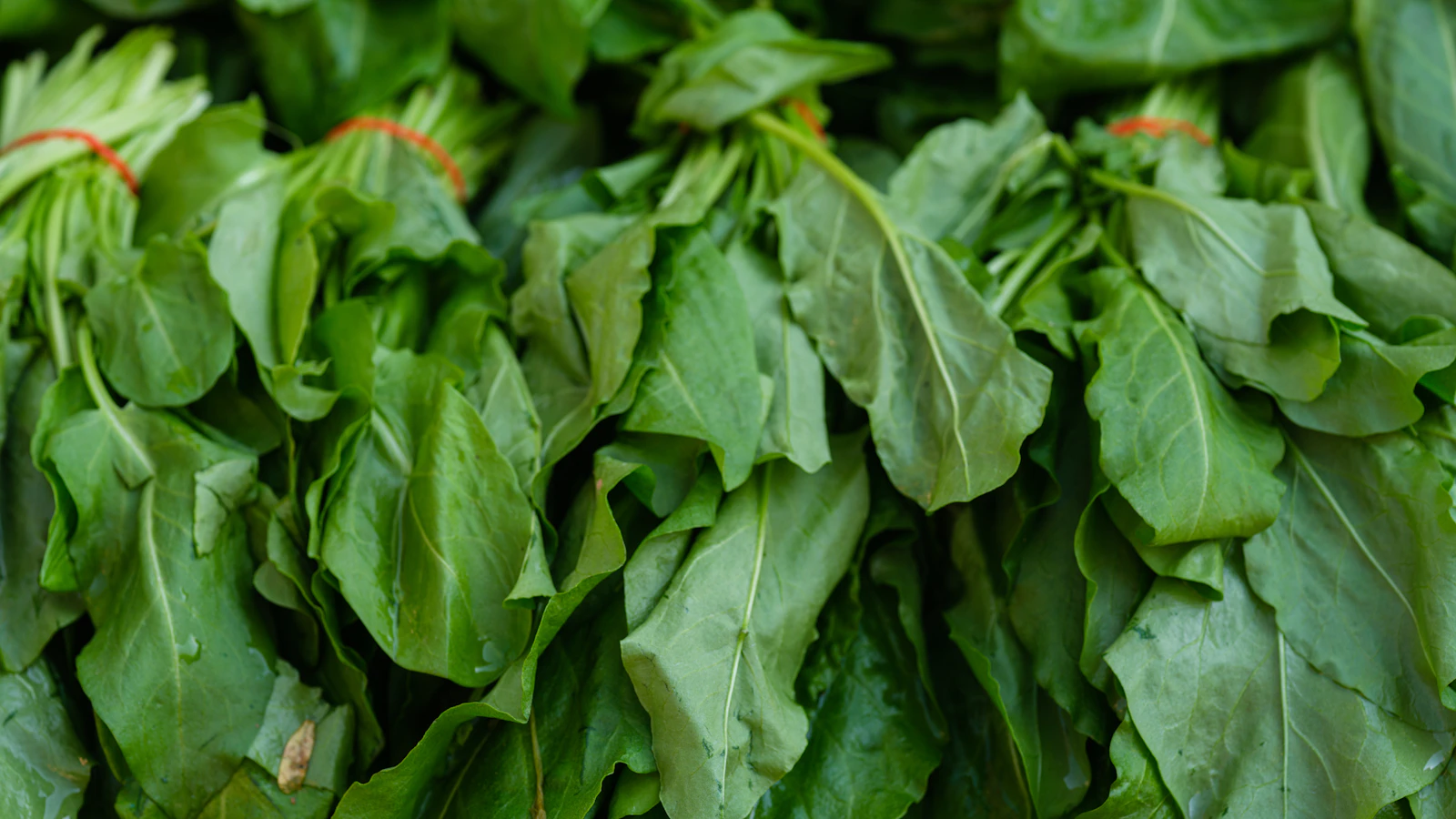
Can I get folate from food? Yes, leafy greens, legumes and whole grains supply plenty of folate. With a confirmed deficiency supplementation can be needed, but discuss that with your GP first.
Should I check folate or B12 first? Check them together. Because they work in the same system, the combination says more than either one alone, certainly if your homocysteine is raised.
References
- Devalia V, Hamilton MS, Molloy AM. Guidelines for the diagnosis and treatment of cobalamin and folate disorders. British Journal of Haematology. 2014. PMID: 24942828.
- Chua EYX, et al. Associations of Plasma Homocysteine Reflecting Vitamin B12 and Folate Status with Fatigue-Related Outcomes in Healthy Adults. Nutrients. 2026. PMID: 41901116.
- Homocysteine Lowering Trialists Collaboration. Lowering blood homocysteine with folic acid based supplements: meta-analysis of randomised trials. BMJ. 1998. PMID: 9569395.
- Thuisarts.nl / NHG. Blood testing. Accessed 2026.
- RIVM. Population figures and reference values. Accessed 2026.
Disclaimer
Every blood test result includes a professional assessment by a BIG-registered doctor. This article gives general information and is not a substitute for medical advice. A blood test is a tool to walk into the conversation with your GP better informed, not a diagnosis in itself. For treatment decisions, discuss your results with your GP.
Author
Enhanced Health
Dr. Naimi, BIG-registered physician, oversees the medical standards behind our content and assessments. Read our medical policy