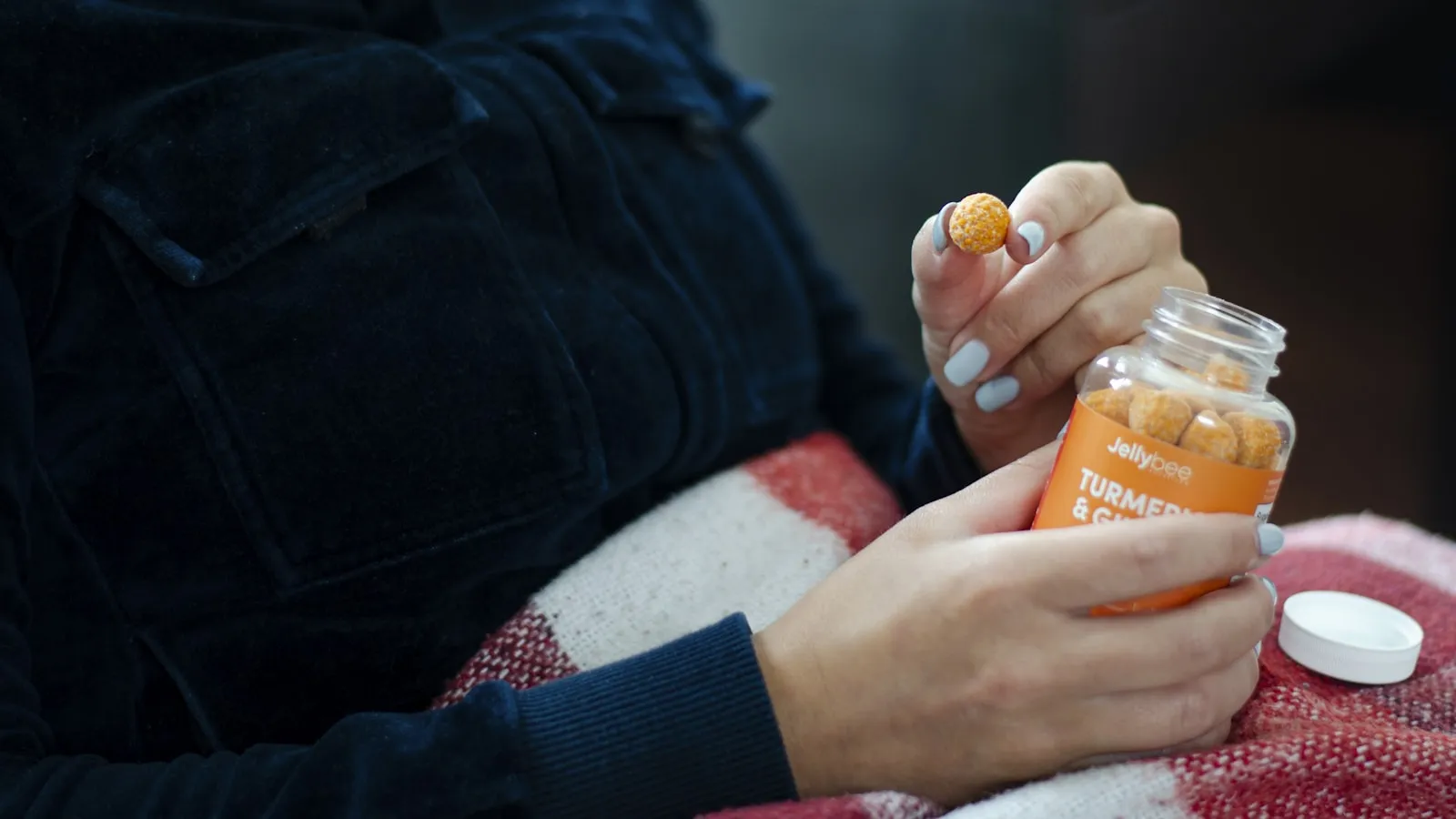
Zinc plays a role in your hormone balance, your immune system and your recovery. In men with a proven deficiency, zinc status is linked to testosterone levels. But taking extra zinc while your value is already fine yields no hormone boost.
I think this is one of the most misunderstood minerals in the gym. The nuance decides whether zinc does anything for you or not. That is why this story does not start with a supplement, but with your own value.
How is zinc linked to testosterone?
Zinc is involved in making testosterone, and a deficiency can push your level down. In a study of men with a marginal zinc deficiency, zinc status was linked to testosterone, and testosterone rose after zinc supplementation (Prasad, 1996).
Important: that effect appeared in men with a deficiency. It is no proof that extra zinc raises your testosterone when you already get enough.
What are the symptoms of a zinc deficiency?
A zinc deficiency gives varied complaints, because the mineral is involved in many processes. Commonly mentioned signs are slower recovery, more frequent illness, skin problems and a lower libido.
- Slower recovery and less force
- More colds or slow-healing wounds
- Skin problems or white spots on the nails
- Lower libido
- Reduced smell or taste
Athletes who sweat a lot or diet strictly run a slightly higher risk. Still, measuring stays the only way to get certainty.
How do you test your zinc status?
Zinc is usually measured in serum, although that is a rough measure because most of it sits in your cells. The result gives an indication, not a perfect picture.
| Serum value (umol/l) | How it is often read |
|---|---|
| Below 11 | Possibly too low |
| 11 to 18 | Usually the normal range |
| Above 18 | Ample, watch for excessive supplementation |
Have your zinc value measured if you recognise the complaints. This article is a spoke of our guide vitamins and minerals for athletes.
Does extra zinc raise your testosterone?
Only if you have a deficiency. With a normal zinc status, supplementation usually does not raise your testosterone, and high doses of zinc can disturb copper uptake. So more is not better here.
If you want a broader look at your hormones, read free testosterone and SHBG or the pillar testosterone: symptoms and blood values.
How much zinc do you need?
For adult men the recommended daily amount sits around 9 milligrams, and a varied diet usually reaches that. Zinc sits in meat, shellfish, nuts and legumes. The Netherlands Nutrition Centre describes the daily need per age group.
So supplement in a targeted way and only with a proven deficiency, after advice from your doctor. Retest to see whether your value recovers.
Zinc, immunity and recovery in athletes
Besides your hormone balance, zinc plays a role in your defence and your recovery, two things that count directly for athletes. With a deficiency, small wounds heal slower and you seem more prone to colds. In periods of heavy training in particular, when your defence is under pressure, that can stand out.
Zinc is involved in making and dividing cells, processes you need to repair muscle tissue after a hard session. A persistent deficiency can therefore subtly slow your recovery, without you seeing a clear cause.
At the same time it is important not to overshoot. High doses of zinc over a longer time can disturb your copper status, and that brings other complaints again. The balance between zinc and copper is a reason to supplement in a targeted way rather than dosing high blindly.
So the pattern is again: measure, adjust where needed, and retest. That way you keep both your defence and your recovery on track without stacking unnecessarily. For most athletes that is a more pleasant starting point than blindly trying every popular supplement. After all, you only know what works once you know your own value.
References
- Prasad AS, Mantzoros CS, Beck FW, Hess JW, Brewer GJ. Zinc status and serum testosterone levels of healthy adults. Nutrition. 1996;12:344-348. PMID: 8875519.
- Voedingscentrum. Zinc. Accessed 2026.
- Gezondheidsraad. Dietary reference values for minerals. Accessed 2026.
Disclaimer
Every blood test result includes a professional assessment by a BIG-registered doctor. This article gives general information and is not a substitute for medical advice. A blood test is a tool to walk into the conversation with your GP better informed, not a diagnosis in itself. For treatment decisions, discuss your results with your GP.
Autor
Enhanced Health
Dr. Naimi, lekarz wpisany do holenderskiego rejestru BIG, nadzoruje standardy medyczne naszych treści i ocen. Przeczytaj naszą politykę medyczną
Powiązane badania
Powiązane artykuły
Iron bisglycinate: what it does, the dose, test first
Magnesium bisglycinate: what it does, the dose, your blood