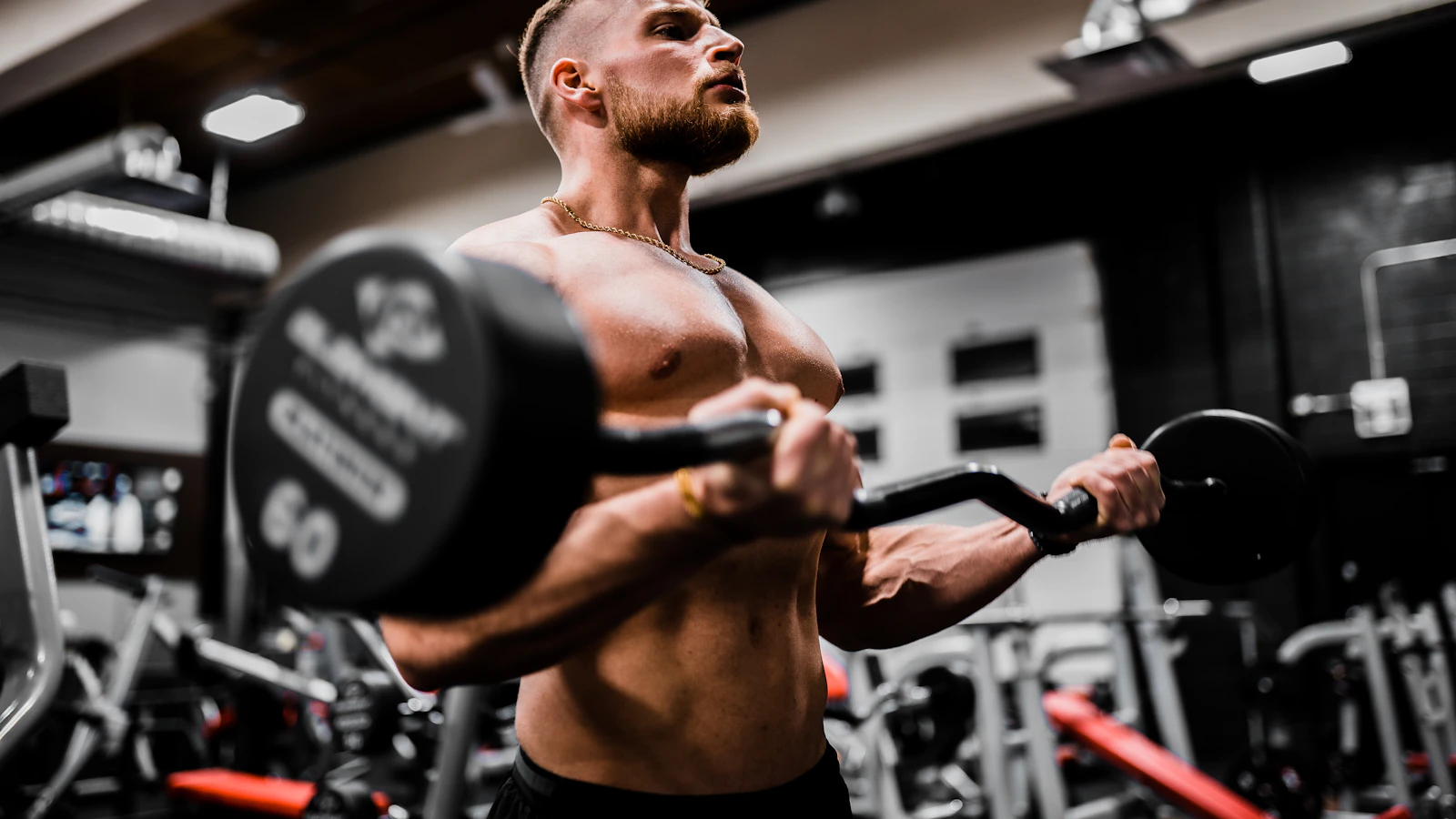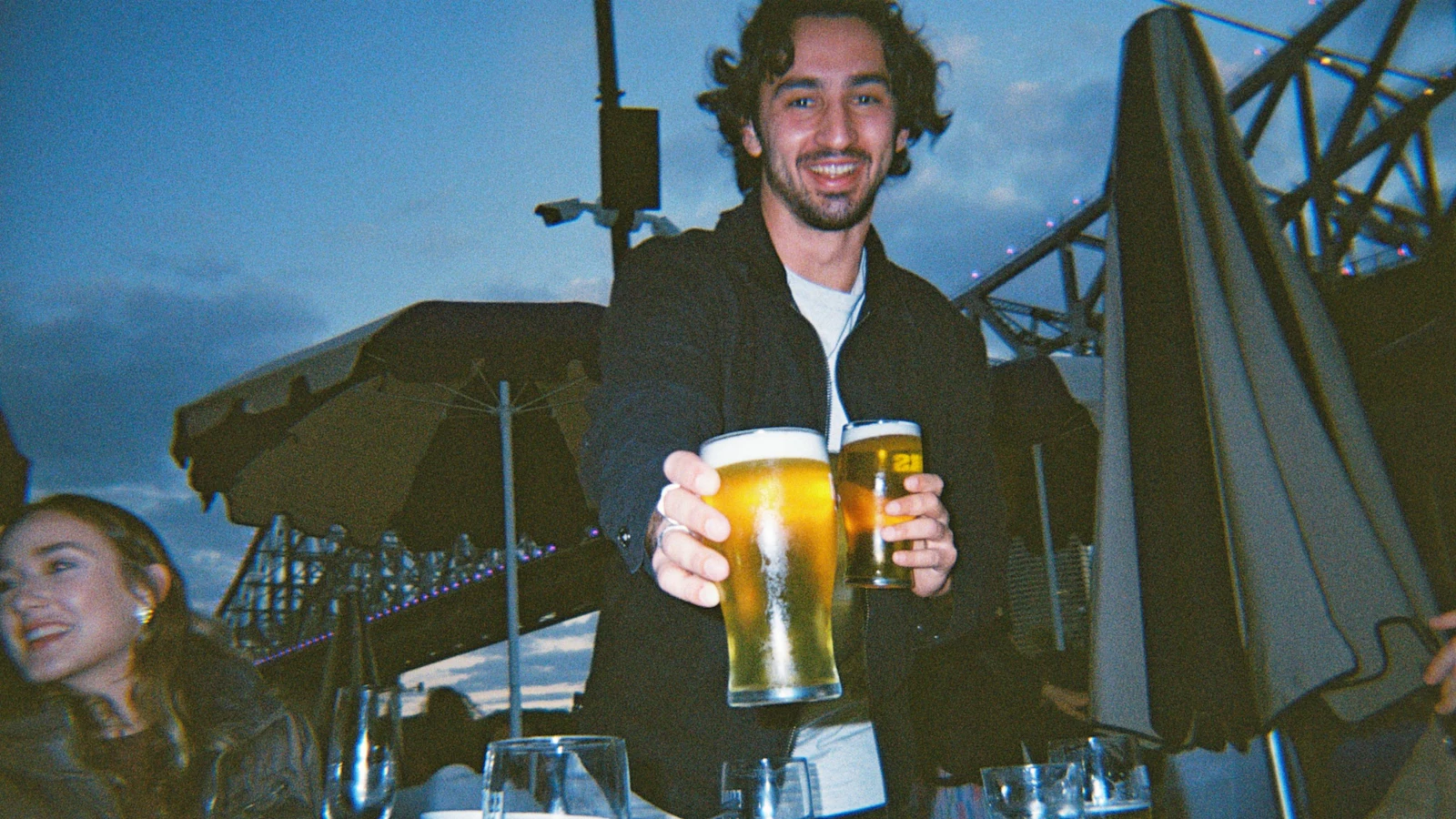
Alcohol leaves traces in your blood, especially in your liver values and your recovery. Regular drinking often raises your gamma-GT, disrupts your sleep and slows your muscle recovery after training. The effects are dose-dependent, so an occasional glass is different from structurally a lot.
I am level-headed about this: alcohol is not poison at every glass, but if you train seriously, you pay for it measurably.
What does alcohol do to your liver values?
Your liver breaks down alcohol, and with regular use you see that in your liver values. Gamma-GT is the marker that responds most sensitively to alcohol and is a widely used indicator of intake (Banciu, 1983). Your ALT can also rise with more load on the liver.
A raised gamma-GT is moreover associated with higher risk of several conditions, independent of alcohol (Targher, 2010). Reason enough to keep an eye on it.
Which blood values shift from alcohol?
Alcohol touches your liver, your recovery and your hormones at once. This table lists the best known shifts.
| Value | Effect of regular drinking |
|---|---|
| Gamma-GT | Rises sensitively, used as an alcohol marker |
| ALT | Can climb with more liver load |
| Testosterone | Can fall with heavy or chronic use |
| Cortisol | Can rise, together with disrupted sleep |
Alcohol and your sports recovery
Alcohol after exercise can slow your recovery, depending on the amount and the timing. A review in male athletes concludes that the influence on recovery is complex, but that higher doses can unfavourably affect muscle strength and recovery (Barnes, 2014). Caution is sensible especially after strength training with muscle damage.
A modest dose is described in that same research as less harmful than a night of heavy drinking.
How to keep an eye on it
To know what drinking does to you, measure your liver values at rest and not right after a party weekend. A targeted panel with gamma-GT and ALT shows your trend over time, which says more than a snapshot. Compose your panel through our custom blood test.
Also read what poor sleep does to your hormones and the overview blood values for endurance athletes.
My advice: you do not have to quit to train healthily, but be honest about your intake. If your gamma-GT stays raised, discuss it with your GP.
References
- Barnes MJ. Alcohol: impact on sports performance and recovery in male athletes. Sports Medicine. 2014. PMID: 24748461.
- Targher G. Elevated serum gamma-glutamyltransferase activity is associated with increased risk of mortality, incident type 2 diabetes, cardiovascular events, chronic kidney disease and cancer: a narrative review. Clinical Chemistry and Laboratory Medicine. 2010. PMID: 19943812.
- Banciu T. Serum gamma-glutamyltranspeptidase assay in the detection of alcohol consumers and in the early and stadial diagnosis of alcoholic liver disease. Medecine Interne. 1983. PMID: 6133343.
Disclaimer
Every blood test result includes a professional assessment by a BIG-registered doctor. This article gives general information and is not a substitute for medical advice. A blood test is a tool to walk into the conversation with your GP better informed, not a diagnosis in itself. For treatment decisions, discuss your results with your GP.
Author
Enhanced Health
Related Posts
Creatine and your blood values: what actually changes?

Protein intake and your kidneys: does high protein harm kidney function?