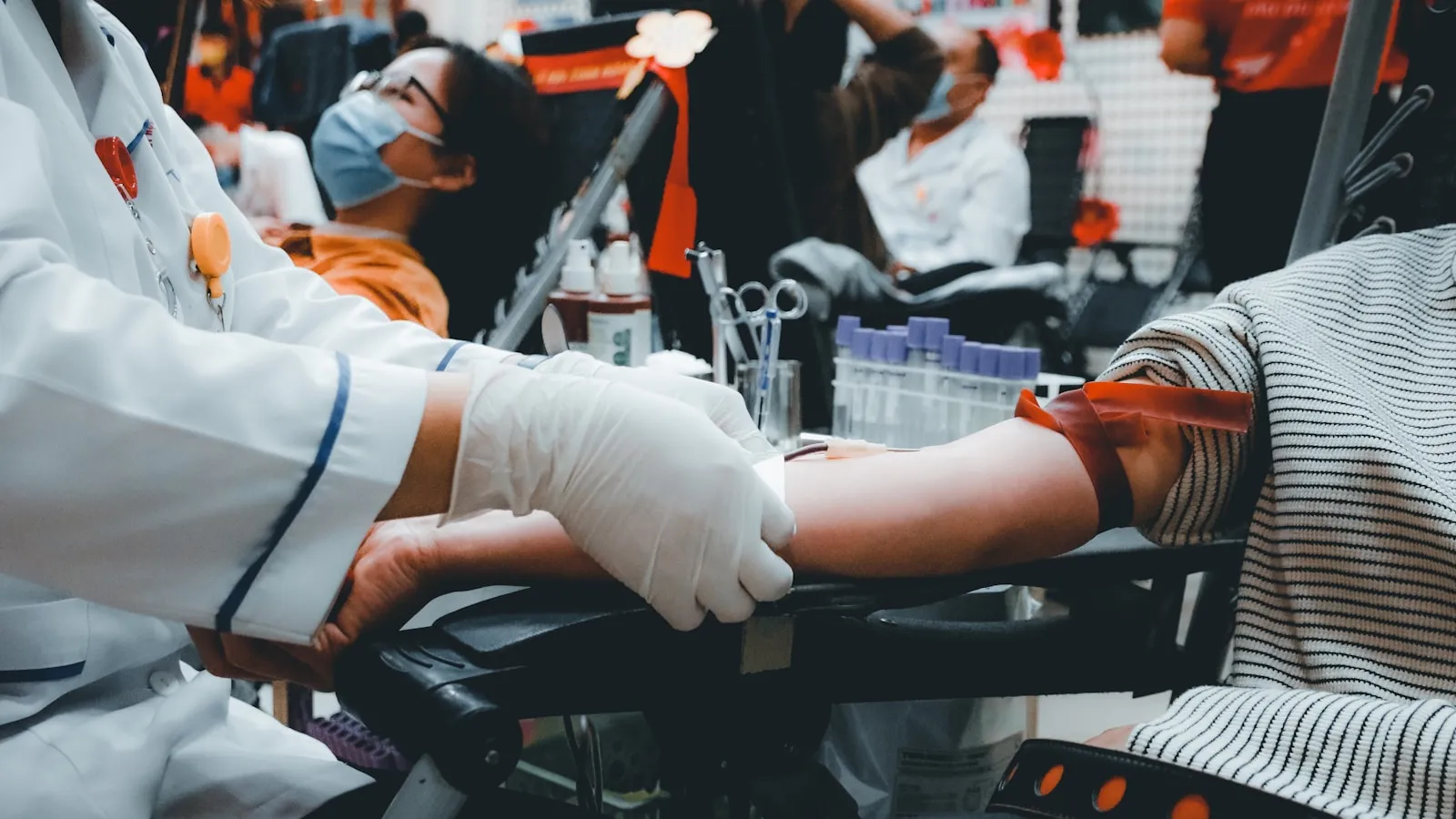
Kidney damage symptoms appear late, usually once your kidneys are down to around 30 percent of their work. Before that you feel almost nothing. That is not reassuring, it is a warning, because it means waiting until you notice something is a poor strategy with kidneys.
I find this the most unfair thing about kidneys. Your liver, your heart and your muscles send signals. Your kidneys only do so once something is genuinely gone.
Why can you not feel early kidney damage?
You have two kidneys with considerable reserve capacity. If part of the filtering tissue drops out, the remaining filter units take over the work. Your blood values therefore stay inside normal for a long time, and daily life gives you nothing to notice.
The Nierstichting puts it the same way: complaints usually arrive only once the kidneys are working at about 30 percent.
Work that through. You can lose two thirds of your kidney function and feel fine.
Say you have two men of 45 both sitting at an eGFR of 55 with no complaints at all. One had blood drawn and knows, the other did not, and that difference decides who can still act on it.
For someone who trains there is an extra layer. Vague complaints like tiredness, poor sleep and heavy legs belong to a hard training week. They disappear into the noise.
Which complaints do fit kidney damage?
The complaints that exist are general: persistent fatigue, itching, nausea, cramp in your legs, fluid around your ankles or eyes, and changes in urination. Foamy urine, urinating far more or noticeably less, and blood in your urine belong on that list. None of these is proof on its own.
That last point matters. In an athlete each of these signals has ten more innocent explanations that occur far more often.
This table is meant to help you choose between waiting and measuring. It does not diagnose, it sorts likelihood.
| What you notice | More likely in an athlete | When measuring is sensible |
|---|---|---|
| Persistent fatigue | Training load, sleep debt, low iron, thyroid | Persists for weeks while your recovery is in order |
| Cramp in your legs | Electrolytes and fluid balance after sweating | Cramp at rest, unrelated to training, plus other complaints |
| Fluid around ankles or eyes | Salt, heat, long periods standing or flying | Visible for days with no clear trigger |
| Foamy urine | Strong stream, concentrated urine | Keeps returning while you drink normally |
| Urinating more often | Drinking more, caffeine, pre-workout | Mainly at night, and you are not drinking more than usual |
| Visible blood in urine | Rarely innocent | Always, this is not a wait-and-see complaint |
What do you measure instead of counting symptoms?
Three things tell you more than any symptom list: your eGFR from creatinine, your cystatin C if you carry a lot of muscle, and the albumin to creatinine ratio in your urine. That last one shows your kidney filter leaking first, often years before your eGFR moves.
Protein in your urine is the earliest usable signal that exists. It is also the test most often skipped.
If you carry a lot of muscle, first read how to interpret your creatinine, in high creatinine from muscle mass. Otherwise you will be alarmed by a number that reflects your build.
The full overview of the values and what distorts them in athletes sits in kidney values in athletes.
Who is at higher risk of kidney damage?
High blood pressure and type 2 diabetes are the two largest causes of chronic kidney damage worldwide. Alongside those: kidney disease in the family, long term heavy use of anti-inflammatories, repeated significant dehydration, and a history with substances that push blood pressure or haematocrit up sharply.
That last category is relevant to some of our readers. Anabolic compounds raise blood pressure and haematocrit, and both load your kidneys over time.
What you do with that is your choice. What I would do is measure, and involve a GP or a specialist clinic instead of guessing.
When should you not wait?
Call your GP or out-of-hours service for visible blood in your urine, for a sharply reduced output while drinking normally, for sudden swelling of your legs or face, and for cola-coloured urine after a hard session with severe muscle soreness. That last combination can point to significant muscle breakdown.
I work that scenario through in dark urine after training. It is rare, but it is the one situation where speed counts.
For every other complaint: measure it rather than keep worrying about it. Our 360 Health test includes the kidney values, cystatin C among them.
I would rather tell someone once too often that it was nothing, than have someone walk around for two years with a leaking kidney filter because they felt fine.
References
- Nierstichting. Symptoms and complaints in kidney damage. Accessed 2026.
- Devries MC, et al. Changes in Kidney Function Do Not Differ between Healthy Adults Consuming Higher- Compared with Lower- or Normal-Protein Diets. J Nutr. 2018. PMID 30383278.
Disclaimer
Every blood test result includes a professional assessment from a BIG-registered doctor. This article gives general information and is not a substitute for medical advice. A blood test is a tool to walk into the conversation with your GP better informed, not a diagnosis in itself. Discuss any abnormal value with your GP.
الكاتب
Enhanced Health
Dr. Naimi، طبيب مسجل في سجل BIG الهولندي، يشرف على المعايير الطبية لمحتوانا وتقييماتنا. اقرأ سياستنا الطبية