Your session has expired. Reloading...

Doctor's Assessment Included

Every result includes a professional assessment from a BIG-registered doctor. For treatment decisions, discuss your results with your GP.

ESR Blood Test: What Does Your Sedimentation Rate Mean?

ESR helps gauge systemic inflammation, which can indicate overtraining or insufficient recovery. Monitoring supports balanced training load management.

What It Measures

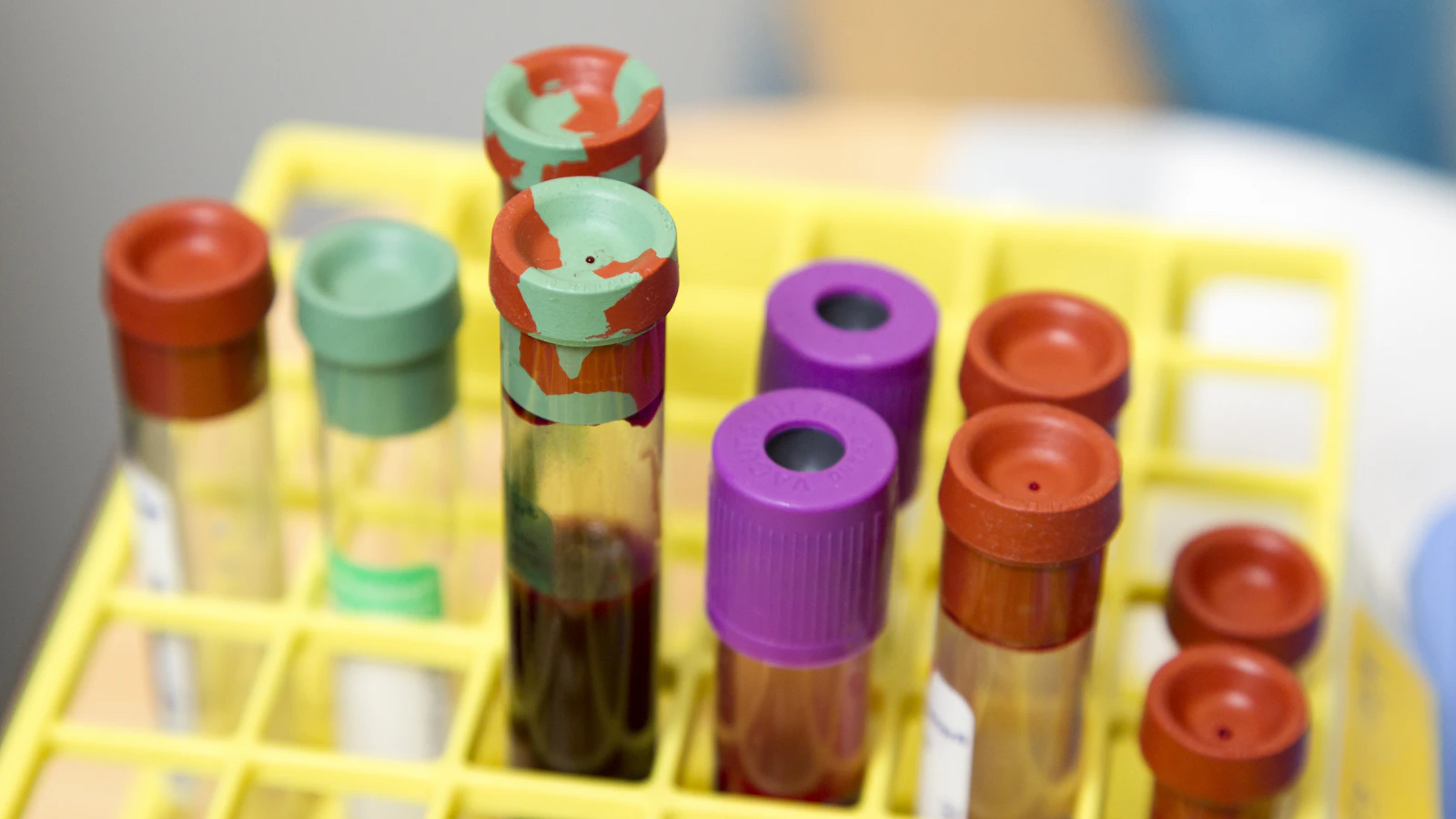
For this test a tube of blood is taken. It measures how fast red blood cells settle in that tube, expressed in mm per hour. When there is inflammation in the body, certain proteins in the blood increase, making red blood cells clump together and settle faster. How fast red blood cells settle can therefore say something about a possible inflammatory response.

Why It Matters

ESR is a non-specific marker. A slightly raised result can have many causes and is best viewed in context. For many adults a normal value is roughly below 15 to 20 mm per hour, although reference values vary by laboratory, age, and sex. A raised ESR can be associated with infections from bacteria or viruses, with tumours, and with autoimmune conditions. ESR is often viewed together with C-reactive protein (CRP). Discuss your results with your GP.

When to Test

Some people have their ESR measured for unexplained fever, joint pain, or muscle aches, or to follow up on a previously diagnosed condition. Because ESR does not indicate where an inflammation is located, the result is usually combined with other blood values and your symptoms. Your GP can help you decide whether further steps are needed.

Symptoms

Low Levels

A very low ESR is generally normal. In rare cases, extremely low rates may be associated with certain blood conditions. Your healthcare provider can advise.

High Levels

Elevated ESR may be associated with infections, autoimmune conditions, tissue injury, or certain cancers. Symptoms depend on the underlying cause.

Lifestyle Tips

Address underlying causes of inflammation through a healthy diet, regular exercise, stress management, and adequate sleep. Work with your healthcare provider on any persistent elevation.

Frequently Asked Questions

What is the difference between ESR and CRP?
Both measure inflammation, but CRP rises and falls more quickly. ESR changes more slowly and can indicate chronic inflammation. They are often tested together for a fuller picture.
Can age affect ESR?
Yes, ESR tends to increase slightly with age. Your healthcare provider will consider your age when interpreting results.
Is ESR a definitive diagnosis?
No, ESR is a non-specific marker. It indicates inflammation is present but cannot determine the cause. Additional tests are needed for diagnosis.