For most users, berberine side effects sit in the gut: diarrhoea, constipation, cramping, wind and bloating. They mainly show up in the first weeks and at doses from around 1,500 milligrams per day.
That is not the part to watch.
Berberine inhibits enzymes in your liver that your body uses to break down a large share of prescription medication. If you take anything on prescription, berberine can change its blood levels, and that warning rarely makes it onto the label.
What is berberine and how does it work?
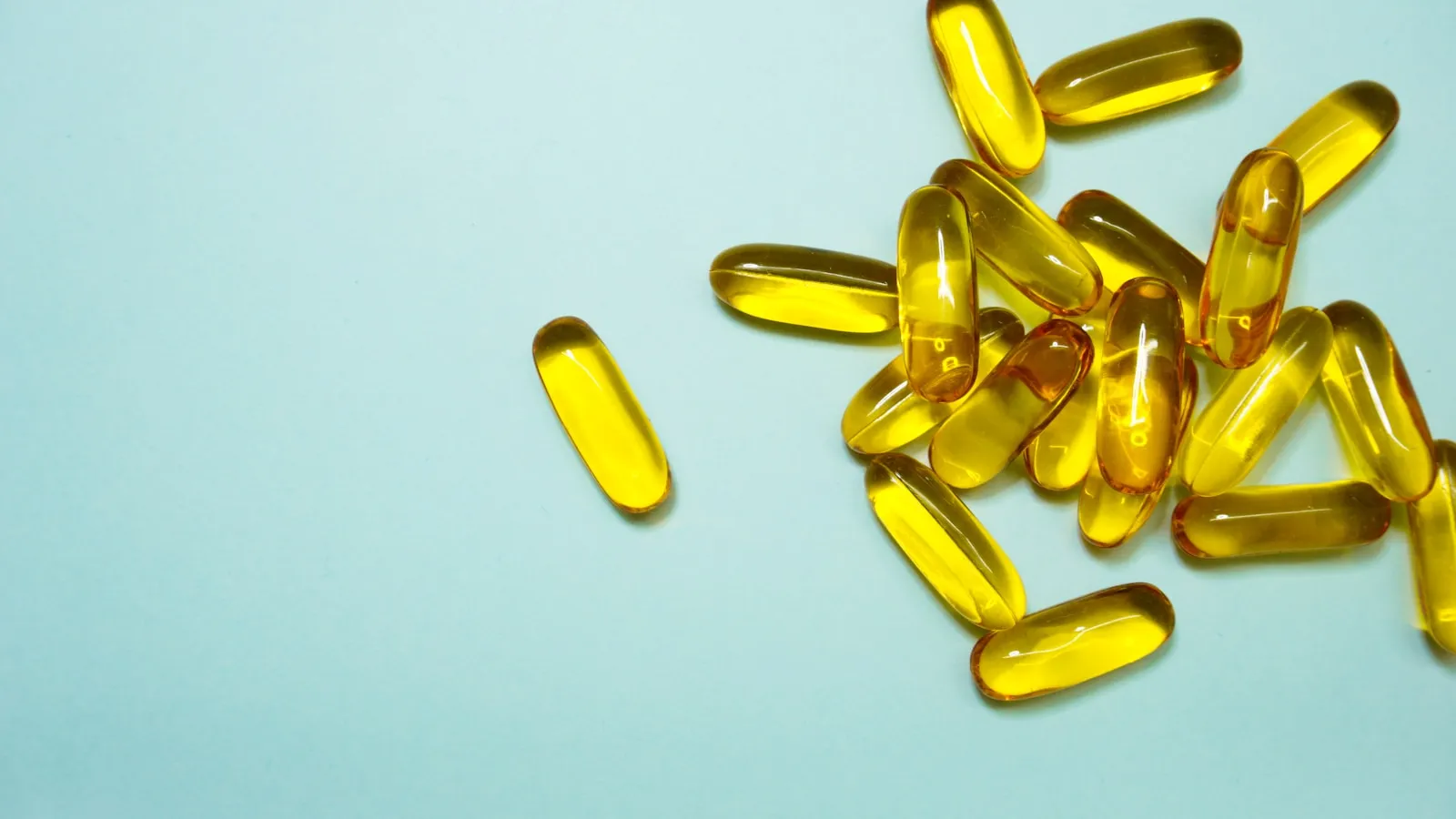
Berberine is a yellow plant compound found in barberry and Chinese goldthread among others. In the Netherlands it is sold as a food supplement, not as a medicine.
Its mechanism appears to run through AMPK, a switch in your cells that activates during energy shortage.
That is the same route metformin acts on, which is where the nickname you see everywhere comes from. That comparison is misleading: metformin is a registered medicine with decades of safety data, berberine is a supplement without that dossier. The Dutch Farmacotherapeutisch Kompas describes metformin as first choice in type 2 diabetes, and berberine does not appear in it.
What does berberine do to your blood sugar?
Meta-analyses of randomized studies in people with type 2 diabetes report reductions in fasting glucose and HbA1c, often comparable to modest medication effects. A 2024 umbrella analysis pooled those reviews and found the same direction.
Research quality is variable, though.
Many studies are small, come from one region, and use different doses and preparations. The reviewers flag that themselves as a limitation. The direction of effect is reasonably consistent, the exact size is not.
Important: almost all of this research was done in people with diabetes or metabolic syndrome. What berberine does in a healthy athlete with normal values is far less studied.
Which form and dose are used?
Absorption of plain berberine HCl is poor, somewhere around one percent, which is exactly why manufacturers sell all kinds of variants. What the research actually uses is usually the simplest form.
| Form | Typical dose | Point to watch |
|---|---|---|
| Berberine HCl | 500 mg, 2 to 3 times daily with meals | The form in most research, poor absorption |
| Dihydroberberine | Lower dosed | Claims better absorption, little independent research |
| Phytosome or liposomal | Variable | More expensive, effect on outcomes not demonstrated |
| Combination products | Variable | You cannot tell which ingredient does anything |
Splitting across the day is standard because the half-life is short and one large dose worsens the gut complaints.
Berberine experiences: what do users report?
Two patterns recur on forums and in reviews. The first is someone starting at 1,500 milligrams a day, having significant gut trouble in week one, and quitting before anything is noticeable.
The second builds up from one capsule a day and sticks with it.
That second group usually reports feeling steadier after carbohydrate-heavy meals and less afternoon craving. That is subjective, and inseparable from the fact that people who start berberine often change how they eat at the same time.
What almost nobody reports is a dramatic effect. Expect a small nudge, not a turnaround.
A concrete example. Two athletes aged 42 both start at 1,000 milligrams a day with an HbA1c of 40 mmol/mol. The first changes nothing else and sits at 39 mmol/mol after twelve weeks, a difference within measurement noise.
The second also starts walking half an hour every evening and lands at 36 mmol/mol, then credits the tub.
We see that second situation most often, and it is exactly why you change one thing at a time.
What are the risks and interactions?
This is the part that genuinely matters. Berberine inhibits the enzyme CYP3A4 and the transport protein P-glycoprotein, and together those handle a large share of common medication.
That can push a drug level higher than intended.
If you use glucose-lowering medication, the combination can drop your glucose further than intended. With statins, blood thinners, immunosuppressants and antiarrhythmic drugs, checking with your doctor or pharmacist before starting is warranted.
Berberine is not advised during pregnancy and breastfeeding, or in newborns. This article is not advice to start or stop anything.
Which blood values do you follow if you try it?
If you take something that acts on your glucose handling, measure your glucose handling. Otherwise you are dosing on feel.
The useful set is fasting glucose, HbA1c, fasting insulin and your triglycerides.
HbA1c is the most honest here, because it summarises two to three months and does not react to what you ate yesterday. So measure beforehand and again after at least twelve weeks. The background on insulin sits in fasting insulin and HOMA-IR.
What are the alternatives?
For most people the boring things deliver more than the tub does. Strength training and low intensity endurance work measurably improve insulin sensitivity, and that protocol sits in zone 2 training.
Sleep does more in this domain than most supplements.
If you want to hold the rest of your cupboard to the same standard, 9 supplements for athletes does that, and the broader weighing sits in which biohacks survive the research.
Where do you start?
Measure first, supplement second. Without a baseline you will still know nothing in three months, and that is the most common mistake with supplements like this.
Check with your doctor if you take medication.
Our insulin resistance test with HOMA-IR gives you glucose and insulin with an assessment by a BIG-registered doctor, so you have something to compare against. The broader approach sits in healthy ageing as an athlete.
References
- Guo J, Chen H, Zhang X, et al. The effect of berberine on metabolic profiles in type 2 diabetic patients: a systematic review and meta-analysis of randomized controlled trials. Oxidative Medicine and Cellular Longevity. 2021. PMID 34956436.
- The effect of berberine supplementation on glycemic control and inflammatory biomarkers in metabolic disorders: an umbrella meta-analysis of randomized controlled trials. Clinical Therapeutics. 2024. PMID 38016844.
- Dong H, Wang N, Zhao L, Lu F. Berberine in the treatment of type 2 diabetes mellitus: a systemic review and meta-analysis. Evidence-Based Complementary and Alternative Medicine. 2012. PMID 23118793.
- Farmacotherapeutisch Kompas. Metformin. Accessed 2026.
Disclaimer
Every blood test result includes a professional assessment by a BIG-registered doctor. This article provides general information and is not a substitute for medical advice. Discuss your results with your doctor before making treatment decisions.
الكاتب
Enhanced Health
Dr. Naimi، طبيب مسجل في سجل BIG الهولندي، يشرف على المعايير الطبية لمحتوانا وتقييماتنا. اقرأ سياستنا الطبية